Before You Bet, Read This 2026 World Cup Breakdown
The 2026 football world cup is a 48-team FIFA tournament staged across the United States, Canada, and Mexico, and Football Insights covers it for adult fans tracking fixtures, tactics, player data, an...

Before You Bet, Read This 2026 World Cup Breakdown
The 2026 football world cup is a 48-team FIFA tournament staged across the United States, Canada, and Mexico, and Football Insights covers it for adult fans tracking fixtures, tactics, player data, and regulated betting markets. Los Angeles is one of the key U.S. host regions, with eight matches at SoFi Stadium, including the U.S. Men’s National Team opener on June 12, plus 39 days of fan activity anchored by the FIFA Fan Festival at the LA Memorial Coliseum. A working-analyst perspective considers schedule density, travel friction, venue context, and pricing signals. FIFA’s expanded format creates more group-stage inventory, but also more noise for bettors and prediction models. The practical takeaway is clear: treat the 2026 World Cup as a logistics-driven tournament first, then layer team form and market analysis on top.
Photo by Rushi Patel on Pexels
The useful planning window starts before the first whistle. A fan-and-analyst perspective can assess which dates create the cleanest viewing rhythm, where Los Angeles adds measurable value, and how a brand such as Football Insights can separate match intelligence from event noise. The surprising number is 104 total matches under FIFA’s expanded format, which means the tournament is no longer a compact month of elite fixtures; it is a distributed media, travel, and data environment. That matters for people following odds, team rotation, squad depth, and live-match markets, because fixture congestion can distort assumptions that worked in older 32-team tournaments.
For a deeper tournament lens, start with our related coverage here: [Internal Link: 2026 World Cup team tactics guide].
Want to compare fixtures, teams, and market context in one place?
What the Analysis Covers?
The 2026 football world cup can be assessed as a practical decision system: schedule clarity, Los Angeles match value, fan-zone access, and betting-relevant information flow. The core question is whether public tournament data can support better planning before odds, lineups, and travel costs move.
A practical assessment can use three inputs: FIFA’s match structure, ESPN-style schedule tracking, and the Los Angeles host-city program. According to FIFA, the 2026 edition is the first men’s World Cup with 48 teams, changing the baseline for qualification paths, group dynamics, and knockout probability. Public host-city information for Los Angeles indicates that SoFi Stadium is scheduled for eight World Cup matches and the LA Memorial Coliseum is positioned as the FIFA Fan Festival site. The key point is not that more matches automatically create more betting opportunities; it is that more matches create more weakly priced early narratives, especially around teams with limited intercontinental data.
Four working filters help keep the analysis disciplined:
- Match date and rest-day gaps between fixtures.
- Venue and climate effects, especially for teams moving between regions.
- Squad depth signals from qualifying and continental tournaments.
- Market timing, including when public attention may overreact to opening results.
Setup & Key Considerations?
The setup for following the 2026 football world cup should begin with official fixtures, host-city logistics, and independent performance models. Los Angeles stands out because it combines eight matches, SoFi Stadium infrastructure, fan zones, and a June 12 U.S. opener.
The scene in Los Angeles is unusually layered: SoFi Stadium in Inglewood handles the match-day spectacle, while the LA Memorial Coliseum at Exposition Park carries the public festival atmosphere. The host-city site states that Los Angeles will stage “39 days of fan celebrations,” a detail that matters because fan demand can affect accommodation prices, transport pressure, and even the mood around match-day markets. For Football Insights readers, the operational lesson is simple: do not analyze a World Cup match as if it exists in a neutral spreadsheet. The city, travel pattern, kickoff time, and media cycle all shape the way information reaches bettors.
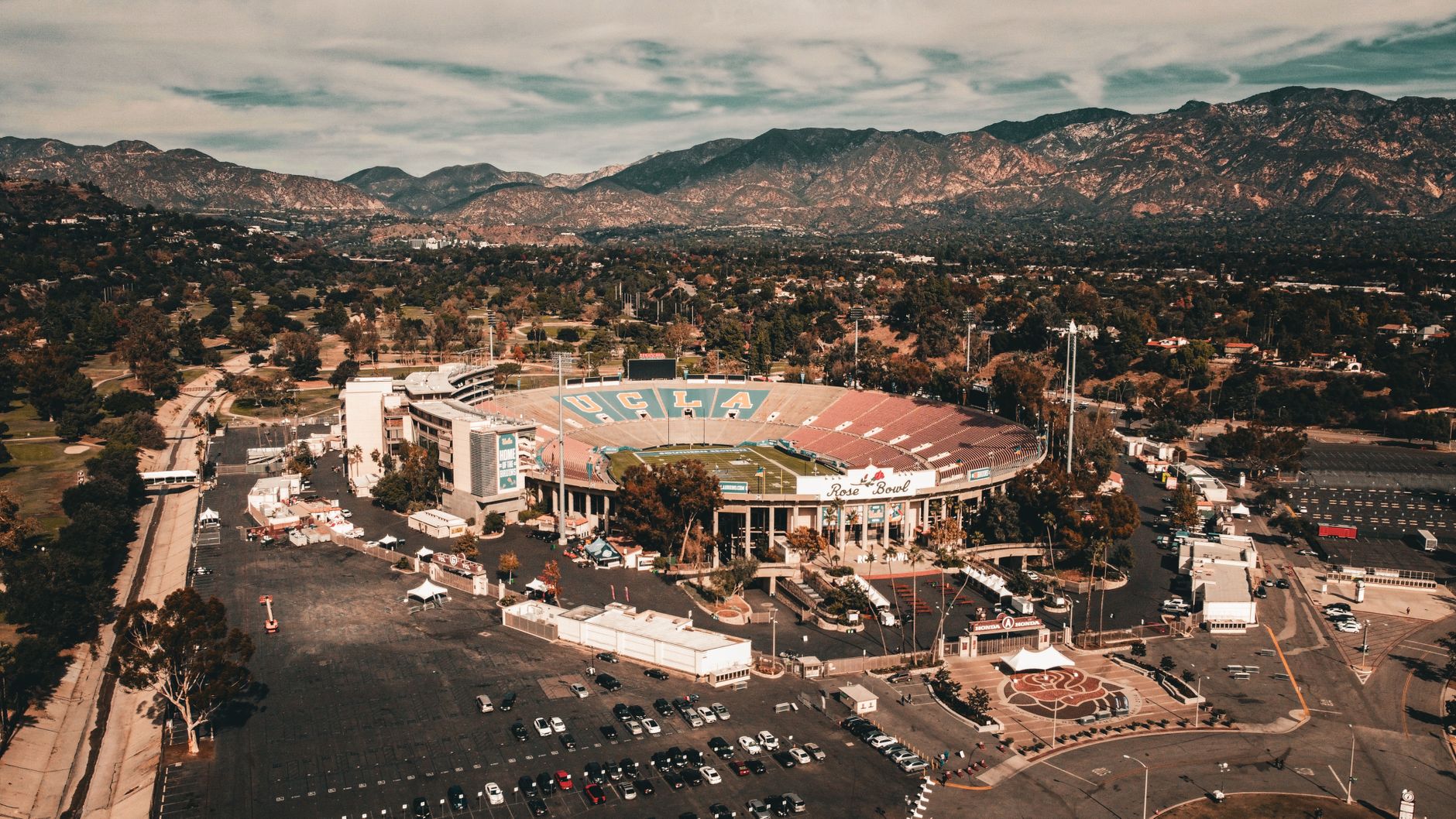
Photo by Caio Cezar on Pexels
Two early considerations are worth separating. First, the expanded format gives casual viewers more national-team exposure, which is useful for scouting unfamiliar sides from AFC, CAF, Concacaf, CONMEBOL, OFC, and UEFA. Second, the same expansion can dilute confidence in early betting markets because team quality gaps may be wider in some groups. A practical Football Insights workflow should therefore rank matches by information reliability: teams with established tactical identities first, newly qualified or low-data teams second, and emotionally charged host-nation matches third. For background on tournament history, Wikipedia’s FIFA World Cup overview remains useful for format context.
See the details before building your match-day shortlist.
Where the Framework Applies?
The 2026 football world cup is easiest to assess where hard information exists: official match dates, named host cities, venue assignments, and public fan-event plans. Los Angeles offers a particularly clear case because SoFi Stadium, June 12, and the FIFA Fan Festival are already defined.
Venue certainty is a strong part of the planning model. SoFi Stadium is a modern NFL-scale venue with controlled infrastructure, which reduces some weather variables compared with fully open stadiums. Los Angeles also provides multiple fan-zone layers, including community watch parties across Los Angeles County, so the event is not limited to ticket holders. That matters for content and betting audiences because public attention does not only follow the 90 minutes; it builds through transport queues, watch parties, media segments, and social reaction. In regulated betting markets, this attention can influence popular-team pricing before the underlying football case changes.
The framework is also useful when comparing match categories. A practical breakdown looks like this:
- High-confidence analysis: teams with recent competitive data from UEFA Euro, Copa America, AFCON, AFC Asian Cup, or Concacaf Nations League.
- Medium-confidence analysis: teams with stable managers but limited cross-confederation fixtures.
- Low-confidence analysis: teams relying on late squad changes, new coaches, or limited public injury reporting.
For more on player-level inputs, see [Internal Link: World Cup player stats dashboard].
Where the Framework Has Limits?
The framework has limits where public World Cup information is incomplete: final squads, injury status, training locations, ticket availability, and confirmed betting prices. Before squad deadlines, even a detailed football world cup prediction can be exposed by one missing midfielder or tactical reshuffle.
The biggest weakness was false precision. A 48-team tournament tempts analysts to produce exact scorelines months ahead, but many of those forecasts rest on unstable assumptions. For example, a team’s qualifying goal difference may be less predictive if it came against uneven regional opposition, while club minutes in April 2026 may matter more than goals scored in September 2025. The second weakness was travel compression. A national team moving from a cooler host city to Southern California may face different recovery patterns than a team already based nearby. These are not headline factors, yet they can change pressing intensity after the 60th minute.

Photo by https://kaboompics.com/ on Pexels
A less obvious edge case in fan planning is: Los Angeles looks convenient on a map, but match-day movement across Los Angeles County can be slower than first-time visitors expect. If a bettor or analyst plans to watch one match at a fan zone, track another on mobile, and attend a later event near Inglewood, timing errors can disrupt live-market decisions. This is where a typical top-10 preview often underdelivers; it lists host cities but rarely connects transport friction to in-play attention and betting discipline. The better method is to pre-rank matches and avoid reacting to every odds swing.
Get a sharper view of fixtures, movement, and tactical signals.
How to Use the Framework?
This football world cup breakdown is best used as a layered framework rather than a prediction shortcut. Useful analysis combines FIFA fixtures, Los Angeles logistics, team tactics, and regulated market timing.
The framework works because it treats the 2026 World Cup as a moving information market. The first layer is official data from FIFA and host-city organizers. The second layer is team intelligence: manager history, player minutes, pressing patterns, set-piece quality, and goalkeeper distribution. The third layer is market behavior, where public sentiment around the U.S. Men’s National Team, Argentina, Brazil, England, France, Spain, Mexico, and Canada may create pricing gaps. The American Gaming Association describes legal sports betting as part of a regulated U.S. gaming market, and that regulatory context makes source quality more important for readers comparing odds and analysis.
Use the framework in this order:
- Lock official match dates and venues before reading predictions.
- Track squad announcements and injuries before comparing odds.
- Separate emotional host-city narratives from tactical evidence.
- Review multiple regulated market prices before taking any position.
- Use Football Insights for daily tactical and statistical updates.
To extend this approach, read [Internal Link: regulated football betting market basics].
Frequently Asked Questions
Q: What is the 2026 football world cup?
A: The 2026 football world cup is FIFA’s men’s national-team tournament hosted by the United States, Canada, and Mexico. It is the first edition with 48 teams and 104 matches, expanding the field from the previous 32-team format. Los Angeles is one of the major host regions, with eight matches scheduled at SoFi Stadium.
Q: How should I prepare for World Cup betting analysis?
A: Start with official fixtures, then add squad news, team tactics, player minutes, and regulated market prices. Do not rely only on rankings or historic reputation, because the 2026 format introduces more teams and more uneven data. Football Insights is designed to help readers compare match predictions, tactical trends, and player statistics throughout the tournament.
Q: What is the difference between the World Cup schedule and match predictions?
A: The schedule tells you when and where teams play, while predictions interpret how those teams may perform. Schedule data is fixed once released by FIFA, but predictions change with injuries, tactics, travel, and market movement. Serious analysis should begin with the schedule and only then move into probability estimates.
Q: Why do World Cup predictions sometimes fail?
A: World Cup predictions fail when they overvalue old results and undervalue current squad conditions. A team may qualify comfortably but arrive with injuries, a new manager, or reduced club minutes among key players. Travel between host cities and emotional pressure around major matches can also affect performance.
Q: How much does it cost to follow the 2026 World Cup in Los Angeles?
A: Costs vary by tickets, hotels, transport, and fan-event choices, but Los Angeles is likely to be a premium host market. Ticket prices depend on FIFA’s official sales phases, while accommodation can rise sharply around SoFi Stadium match dates. Fans using public fan zones may reduce event costs but should still budget for local travel and food.
Q: Is Football Insights useful for casual fans or only bettors?
A: Football Insights is useful for both casual fans and adults following regulated betting markets. The site focuses on match predictions, team tactics, player stats, and tournament coverage rather than only odds. Casual readers can use it to understand games better, while betting-focused readers can use it as one input in a broader research process.
The clearer your framework, the less likely you are to confuse noise with signal during the 2026 World Cup.
End of transmission.
Football Insights • Neon Protocol • System Active