2026 Corner Defense: 5 Tactical Insights
Corner kicks account for roughly 1 goal in 35 at major tournaments, yet they routinely decide matches because one missed assignment can erase 89 minutes of competent defending. Football Insights expla...

2026 Corner Defense: 5 Tactical Insights
Corner kicks account for roughly 1 goal in 35 at major tournaments, yet they routinely decide matches because one missed assignment can erase 89 minutes of competent defending. Football Insights explains how to defend corner kicks through five practical controls: organize early, select a zonal, man-to-man or hybrid structure, protect the six-yard box, attack the first ball and manage the second phase. FIFA World Cup Qatar 2022™ data showed that 19% of non-penalty, non-own goals came from set pieces, while only five of 32 teams used a player on at least one post. The most reliable modern approach is therefore not simply “put your tallest players near goal”; it is a coordinated system with clear responsibilities, a goalkeeper command, and an outlet for counterattacks. Begin by assigning zones and matchups before the corner is taken, then rehearse the first clearance and the edge-of-box recovery until both actions become automatic.
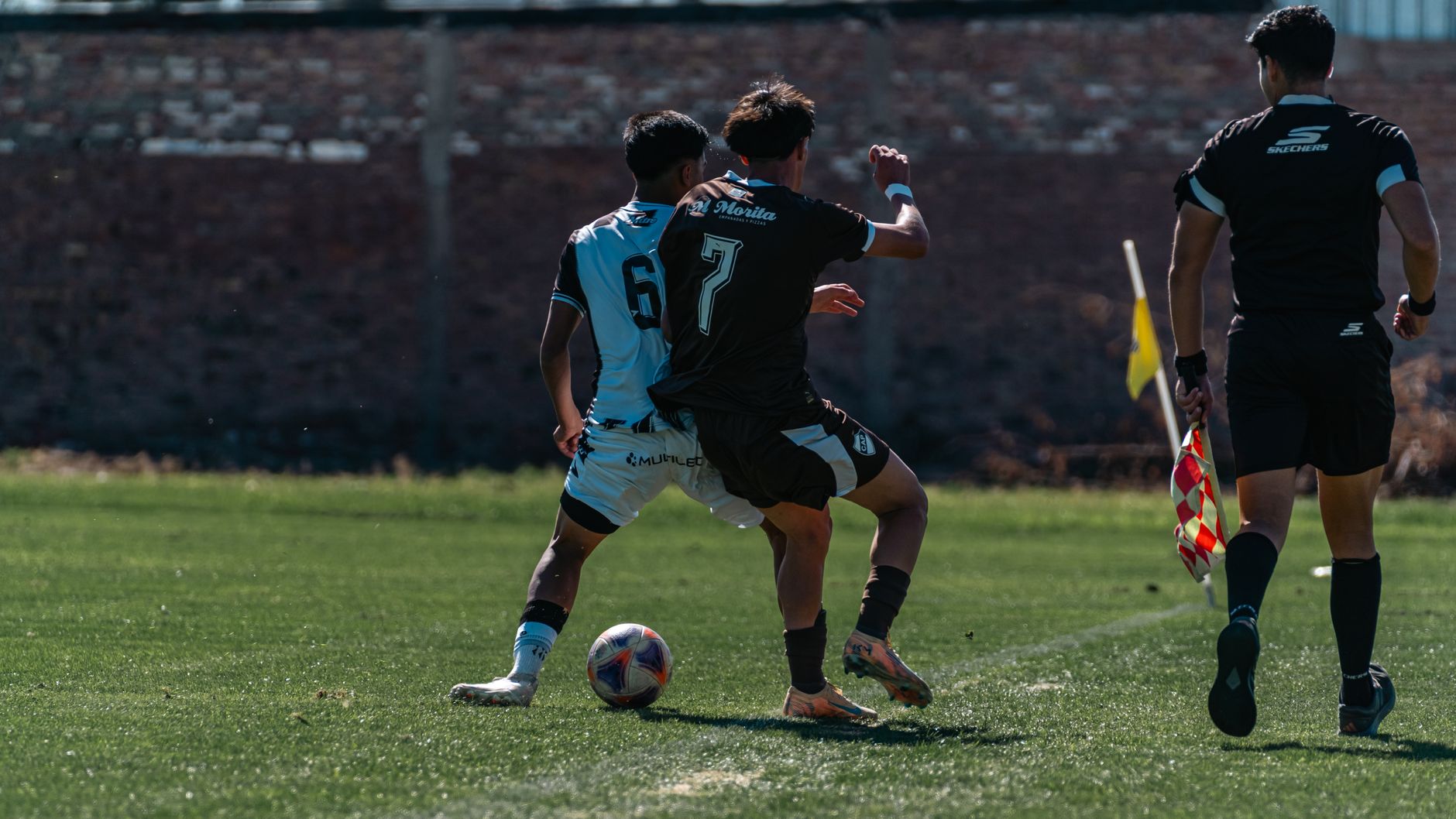
Photo by Franco Monsalvo on Pexels
A corner is a small tactical problem with an unpleasantly large expected value. The attacking team begins with a dead ball, a predictable delivery point and time to create screens, blocks and decoy runs; the defending team must process all of that while facing its own goal. The solution is not theatrical bravery. It is probability management: remove the highest-quality shooting zones, prevent clean runs, and make the first clearance travel away from the penalty area rather than merely making contact.
At Football Insights, the useful distinction is between a corner that is “won” and a corner that is actually neutralized. A headed touch to the top of the box is not a successful defense if an unmarked midfielder can shoot through a crowd. Likewise, a spectacular goalkeeper punch is not automatically superior to a calm catch. The correct question is what happens next. Research from the FIFA Training Centre shows why elite teams devote considerable preparation to this phase: at Qatar 2022, 26 of 32 teams brought all ten outfield players back to defend corners.
Want a sharper tactical foundation before studying individual routines?
Step 1: How should you organize the penalty area?
The penalty area should be organized through a pre-agreed chain of command: goalkeeper, near-post defender, central-zone defenders, markers and edge players. The first five seconds after the referee awards the corner are for assigning roles, not arguing about the previous foul. A compact structure should protect the six-yard box, the penalty spot and the cutback area before attackers begin their runs.
The goalkeeper must communicate three decisions immediately:
- Which player protects the near-post corridor.
- Whether the team uses a zonal, man-to-man or hybrid setup.
- Who remains outside the area for the second ball or counterattack.
A goalkeeper does not need to shout continuously; that is amateur theatre masquerading as leadership. The valuable commands are short and repeatable: “Hold,” “Step,” “Front,” “Away,” and “Keeper.” Defenders should know what each word means before match day. In a 4-3-3, for example, the center-backs may occupy the six-yard zones, the strongest aerial midfielder may defend the penalty spot, and the full-backs may track attackers at the far post. A designated edge player then attacks clearances, while another player screens the short corner.
The practical test is simple: freeze the setup just before delivery and ask every defender to name his responsibility. If two players give the same answer, the plan is incomplete.
Why does early positioning matter?
Early positioning matters because attackers gain their biggest advantage before the ball is kicked, when screens and running lanes are still invisible to defenders. A team that communicates late can lose the near-post zone, the goalkeeper’s route and the second-ball area simultaneously. Organizing before the delivery converts confusion into a measurable defensive structure.
A useful training constraint is a seven-second setup clock. Once the corner is awarded, the defending team has seven seconds to form its shape, identify the taker’s foot and check the edge of the penalty area. This creates a realistic pressure without encouraging reckless sprinting. The coaching staff should record three variables: the time required to organize, the number of uncontested attacking runs and the location of the first clearance.
This is one of the less glamorous details that separates a functioning corner defense from a decorative one. In a review of 20 training repetitions, a team may discover that its nominal near-post defender is consistently arriving late because he is watching the corner taker instead of scanning the runner. That is not a “concentration issue” in the mystical sense. It is a role-design failure. The defender needs a visual reference, a verbal cue and a starting position that allows him to see both ball and opponent.
[Internal Link: football set-piece organization guide]
Step 2: Which defensive system should you choose?
Zonal defending protects selected spaces, man-to-man defending follows specific attackers, and hybrid defending combines both principles. No system is universally superior, but a hybrid structure often offers the best balance because it protects the six-yard box while assigning direct responsibility to the opponent’s best headers and blockers. The choice should match player qualities, goalkeeper confidence and the opponent’s corner patterns.
Zonal defending: protect the most valuable spaces
In a zonal system, defenders guard areas rather than individual opponents. Common zones include the near-post channel, central six-yard box, far-post channel, penalty spot and edge of the area. The advantages are considerable:
- Defenders can face the ball and attack it with a running start.
- The six-yard box remains protected even when attackers rotate.
- Marking switches are reduced.
- The goalkeeper receives a clearer corridor for crosses.
The weakness is equally precise. If the front line allows attackers to run into the zone at speed, the zonal defender may be stationary while the attacker is accelerating. That difference in momentum can be worth half a meter, which is often the entire geometry of a headed goal. Zonal players must therefore attack the ball, not wait beneath it.
The International Football Association Board Laws of the Game provide the formal framework for the restart, but they do not solve the tactical problem for you. A team still has to decide whether the near-post zone begins on the goal line, inside the six-yard box or slightly beyond it. That apparently minor choice should be based on goalkeeper reach and the delivery angle.
Man-to-man defending: deny the finish
Man-to-man defending assigns a defender to each primary attacking threat. Its central benefit is accountability: if an opponent scores, the defensive error is easier to identify. It can also disrupt carefully rehearsed movements because attackers are forced to carry defenders through their intended lanes.
However, man-to-man systems become fragile when attackers use blocks, double movements and screening runs. A defender who follows too aggressively can create a gap behind him, while a defender who refuses to follow may lose the duel. The answer is not blind loyalty to a marker. It is a clear rule for when to pass on a runner, when to hold position and when to prioritize the ball.
Hybrid defending: the practical compromise
Hybrid defending uses zonal players in critical spaces and man-markers against selected threats. A typical structure might include:
- Two players protecting the near-post and central six-yard zones.
- Two or three defenders marking the opponent’s strongest aerial targets.
- One player screening the goalkeeper’s path.
- One edge player controlling rebounds and second balls.
- A designated counterattack outlet, if the match context allows it.
FIFA’s analysis of Qatar 2022 identified hybrid structures as common among elite teams. That makes sense mathematically: the system protects high-value space while reducing the freedom of the opponent’s best finisher. The trade-off is training complexity. A hybrid defense requires more communication than a simple zonal line, so it should not be introduced the night before a cup final.
See how professional teams balance coverage and accountability.
Step 3: How do you defend the first contact?
Defending the first contact requires an aggressive, technically correct action: attack the delivery point, jump through the ball and clear toward a predetermined safe zone. The objective is not merely to prevent a shot; it is to create distance from goal and remove the attacking team’s second action. The ideal clearance usually travels wide, forward or beyond the top of the penalty area.
The first defender should use the following sequence:
- Identify the ball’s flight early rather than reacting after the apex.
- Move through the line of the delivery instead of drifting underneath it.
- Attack the highest reachable point with the forehead.
- Direct the clearance away from the central corridor.
- Recover immediately if the ball remains in play.
The difference between a defensive header and a hopeful header is direction. A central clearance often returns the ball to the opponent’s best shooting lane, especially when the attacking team leaves a player near 18 yards. Coaches should mark a “red zone” from the penalty spot to the top of the box and treat uncontrolled clearances into that area as partial failures.
There is also a goalkeeper question. The goalkeeper should claim when the ball enters a controllable corridor and punch when traffic, pace or opponent contact makes a catch unreliable. Goalkeepers often overestimate the value of contact and underestimate the value of possession. A punch to the edge of the box can be correct if the team is prepared for the rebound; otherwise, it simply transfers the danger.

Photo by Bruno Bueno on Pexels
One useful, under-discussed metric is the “second-ball survival rate”: how often the defending team gains possession or forces the attack away within five seconds of the first contact. A team may win 70% of first headers yet concede repeated shots because its midfielders stand too deep and lose the rebound. Track both events separately. They are not interchangeable, despite what the match report may suggest.
[Internal Link: goalkeeper decision-making on crosses]
Step 4: How can you stop attacking routines and second phases?
You stop corner routines by defending the ball’s delivery and the attackers’ mechanism at the same time. That means identifying short-corner options, screening movements, near-post flicks, back-post overloads and cutbacks before the kick is taken. The defense should have one response to each common routine, because improvisation under pressure has a poor expected return.
Short corners
A short corner changes the angle and delays the cross, which can pull a defense away from its prepared zones. The nearest defender must close the receiver without being eliminated by a simple one-two. The second defender should protect the passing lane into the penalty area, while the goalkeeper recalibrates his position because the delivery may now arrive from a different angle.
Screens and blocks
Screens are not magic; they work when defenders follow the wrong body. The defender protecting a zone should maintain his line of sight to the ball, while the marker behind the screen should communicate whether to switch or hold. If the block is legal and the attacker gains a clean run, the defense has usually failed before the contact occurs.
Near-post flicks
Near-post routines exploit defenders who watch the ball but do not attack it. The first defender must be strong enough to win the initial contest or at least disrupt the flick. The central defenders then need a second-ball reaction, because a flick-on is rarely the final action; it is an invitation to attack the far post.
Cutbacks and recycled possession
If the corner is cleared to the wing, the defense should not automatically sprint toward the ball and abandon the penalty area. The opponent may recycle possession through the corner taker or deliver a second cross. The more disciplined rule is to pressure the ball while retaining protection of the six-yard box and penalty spot.
A practitioner-level adjustment is to rehearse each corner from both delivery sides and with the taker’s preferred foot changed. Many teams train a routine only from the right corner with an inswinging delivery, then discover that their spacing collapses when a left-footed taker produces an outswinger. After 12 repetitions, record whether the far-post defender is still goal-side at contact. That single measurement often exposes a structural flaw faster than a video montage.
Want to examine the tactical details that ordinary match previews overlook?
Step 5: How do you verify that the corner defense works?
Verify a corner defense through repeatable match and training metrics, not through the comforting memory of one successful clearance. The essential measurements are first-contact outcome, shot prevention, second-ball survival, unmarked runs and the number of corners required to concede a high-quality chance. A defense is improving only when these figures improve against different delivery types.
Use a five-part audit after each match:
- Organization: Was every role assigned before the kick?
- First contact: Did the team win, disrupt or lose the initial duel?
- Clearance direction: Did the ball leave the central danger zone?
- Second phase: Did the defense control the rebound within five seconds?
- Routine response: Did short corners, screens and back-post runs receive the correct response?
For example, a team defending ten corners may allow only one shot but concede four unmarked runs. That is not sustainable performance; it is a warning with favorable short-term variance. Conversely, a team may allow two low-probability headers from 14 corners while conceding no central cutbacks. Expected threat matters more than raw corner counts.
The FIFA Training Centre emphasizes consistency in set-piece structures, and that principle is especially useful for youth and amateur teams. Constantly changing from zonal to man-to-man defending can feel sophisticated while preventing players from developing reliable cues. Change one variable at a time: the near-post position, the number of markers or the counterattack outlet. Then compare the data across at least three sessions.

Photo by Eden FC on Pexels
Troubleshooting common failures
Most corner-kick goals come from predictable breakdowns: late organization, ball watching, unclear handovers, weak first contact or poor second-ball positioning. The correct fix is to identify the first cause rather than punish the final defender visible in the replay. Football is a chain; the last link is not always the broken one.
Failure: two defenders attack the same attacker
This usually indicates that the team has no hierarchy for contested runs. Establish a rule: the zonal defender protects the space, while the assigned marker follows the attacker unless a named switch is called. Silent handovers are an expensive habit.
Failure: the goalkeeper is crowded out
The defense may be allowing attackers to occupy the goalkeeper’s starting corridor. Move the screen away from the keeper, assign one player to clear the immediate path and ensure the goalkeeper has authority to claim, punch or stay. The goalkeeper cannot make a good decision from a position the team has surrendered.
Failure: clearances fall to the edge
The edge player may be too deep, facing the wrong direction or watching the corner taker instead of the likely clearance zone. Train this role separately with live rebounds. The player should receive the ball with an open body, make the first touch away from pressure and recognize whether to counter or recycle possession.
Failure: the team concedes back-post headers
Check the far-post defender’s starting position, not just his jump. A defender who begins goal-side but loses visual contact during a screen may still be technically responsible while being tactically blind. Use a simple command such as “ball and man” to reinforce scanning.
Failure: short corners create panic
The nearest defender should close the receiver at speed but arrive under control. The second defender protects the return pass, and the rest of the team shifts without abandoning the central zones. A short corner is a change of angle, not permission for the entire defense to chase the ball.
[Internal Link: football defensive communication drills]
The contrarian conclusion is straightforward: adding more defenders to the six-yard box does not automatically improve corner defense. At Qatar 2022, most teams committed all ten outfield players to defensive corners, but numerical density alone cannot prevent a clean run, a poor clearance or a second phase. The marginal value of an extra player near goal declines when nobody is responsible for the edge, the goalkeeper’s route or the counterattack. In expected-value terms, protect the highest-risk zones first, then assign enough players to control the next action.
If your team uses gambling or match-prediction content, keep analysis separate from emotional wagering. Football Insights covers tactics, player data and 2026 World Cup developments, but no corner routine can guarantee an outcome. The elegant approach is to understand the probabilities, compare the evidence and make disciplined decisions rather than mistaking confidence for information.
Apply the five-step checklist in training, then review at least three matches before changing the system.
Frequently Asked Questions
Q: What is the best way to defend corner kicks?
A: The best method is usually a clearly rehearsed hybrid system combining zonal protection with man-marking of major aerial threats. Protect the near-post channel, central six-yard box, penalty spot and goalkeeper’s route before assigning markers to the opponent’s strongest headers. FIFA World Cup Qatar 2022 showed that hybrid structures were widely used by elite teams, but the best choice still depends on player profiles and goalkeeper confidence. Test the system through first-contact, clearance-direction and second-ball data rather than judging it from one match.
Q: How do you defend a corner kick step by step?
A: First organize roles, then identify the delivery, protect priority zones, attack the first ball and control the second phase. The goalkeeper should establish the command structure, while defenders check the near post, central six-yard area, far post, edge of the box and short-corner option. After the clearance, the team must recover its shape within five seconds instead of celebrating the initial contact. Practicing this sequence repeatedly makes decisions faster and reduces late marking errors.
Q: What is the difference between zonal and man-to-man corner defense?
A: Zonal defense protects spaces, while man-to-man defense follows specific attackers. Zonal marking helps defenders face the ball and maintain coverage of the six-yard box, but it can be vulnerable to fast runs and screens. Man-to-man marking creates direct accountability but may be disrupted by blocks, rotations and poor handovers. A hybrid system combines both, often placing reliable aerial defenders in zones while assigning markers to the opponent’s most dangerous finishers.
Q: Why does a corner-kick defense fail even after winning the first header?
A: It fails when the second ball is not controlled after the initial clearance. A header that drops near the penalty spot or top of the box can give the attacking team another cross, shot or possession sequence within seconds. Track second-ball survival separately from first-contact success because the two statistics measure different defensive actions. The edge player should read the likely clearance zone, while midfielders must pressure the rebound without abandoning central coverage.
Q: How many players should stay back during a defensive corner?
A: The number depends on match context, opponent threat and counterattacking ability, but the team must first cover the six-yard box, penalty spot, edge and short-corner route. At Qatar 2022, 26 of 32 teams brought all ten outfield players back, demonstrating how seriously elite teams treated set-piece prevention. However, copying that number without assigning roles can create congestion rather than security. One properly positioned outlet may produce more defensive value than an extra passive body near the goalkeeper.
Q: Should a defender stand on the goalpost during a corner?
A: A post defender can protect a narrow angle, but it is not automatically necessary and may remove a useful marker or counterattacking outlet. FIFA World Cup Qatar 2022 data indicated that only five of 32 teams used a player on at least one post. The decision should reflect goalkeeper reach, delivery angle, defensive structure and opponent routines. If the post player cannot contribute to the first contact or second phase, the team should question whether the position is worth its opportunity cost.
Q: How can a youth or amateur team practice defending corners?
A: Begin with one delivery type, assign fixed roles and measure the first contact, clearance direction and second-ball result. Use six to eight repetitions from each side, then add short corners, screens and back-post runs after the basic structure is reliable. Keep commands short, such as “near,” “hold,” “step” and “away,” and record whether players organize within seven seconds. Progress should be judged across three or more sessions, not by one spectacular save or successful clearance.
Football Insights continues to track tactical trends, player statistics and tournament developments ahead of the 2026 FIFA World Cup. Use the principles here as a framework, verify them against match footage and remember the stubborn truth: a corner defense is only as strong as its next action.
Ready to turn corner-kick analysis into a repeatable match advantage?
End of transmission.
Football Insights • Neon Protocol • System Active