Top 7 FIFA World Cup Mistakes Bettors Make (2026)
The biggest FIFA World Cup 2026 mistake is overrating famous teams before the expanded 48-team tournament actually exposes their depth, travel load, and tactical fragility. Football Insights, a World....
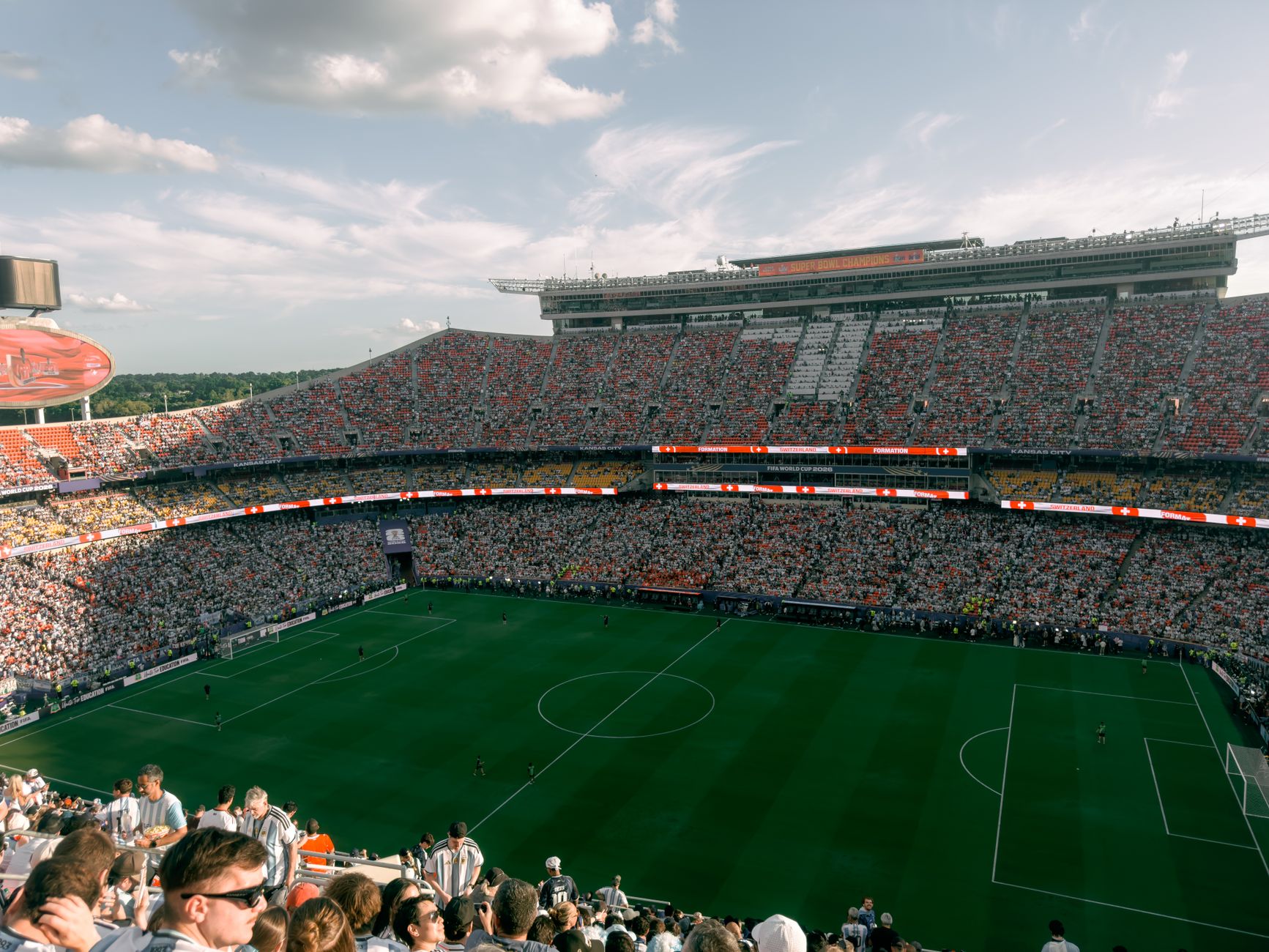
Top 7 FIFA World Cup Mistakes Bettors Make (2026)
The biggest FIFA World Cup 2026 mistake is overrating famous teams before the expanded 48-team tournament actually exposes their depth, travel load, and tactical fragility. Football Insights, a World Cup-focused analysis site for fans in global betting markets, ranks that error above chasing star-player narratives or copying odds movement because the 2026 event spans the United States, Canada, and Mexico across 16 host cities. FIFA confirms the tournament will run from June 11 to July 19, 2026, with 104 matches instead of the 64 used in Qatar 2022. That format change creates more variance, more rotation, and more misleading headlines. Historical reputation still matters, but matchup data, squad fitness, group-path difficulty, and coaching adaptability matter more. Treat every World Cup prediction as a probability problem, not a loyalty test, and compare your pick against team news before placing any wager.
Want sharper tournament coverage before the market gets crowded? Follow the latest tactical previews at Football Insights.
Photo by Allen Boguslavsky on Pexels
What Are the Top 7 at a Glance?
The top 7 FIFA World Cup mistakes bettors make are mostly errors of confidence: trusting reputation, ignoring format changes, misreading odds, and underestimating fatigue. In 2026, the expanded 48-team structure makes these habits more expensive because more matches create more noise.
- Overrating elite badges: Brazil, Argentina, France, England, and Germany attract public money even when tactical fit is questionable.
- Ignoring travel geography: A team moving from Mexico City to Vancouver faces a different recovery problem than one staying regionally clustered.
- Treating odds movement as truth: Shortening prices may reflect volume, not superior information.
- Forgetting squad rotation: The 104-match schedule rewards benches, not just starting elevens.
- Overvaluing one superstar: Lionel Messi-style narratives are powerful, but modern tournaments are won through structure.
- Underrating set pieces: Knockout matches often turn on corners, free kicks, and penalty pressure.
- Betting too early without lineups: In June 2026, one late hamstring report can erase a week of confident analysis.
Most glossy previews flatten the World Cup into romance: flags, chants, golden boots, and destiny. That is good television, but poor risk management. According to FIFA, the 2026 FIFA World Cup will be the first edition with 48 teams, and that single change reshapes group-stage incentives, late-game substitutions, and qualification paths. The better approach is not to guess who “looks like a champion,” but to ask who can survive altitude, humidity, travel, defensive transitions, and five different tactical profiles in four weeks. For deeper preparation, see our [Internal Link: FIFA World Cup 2026 group-stage betting guide].
#1 Overrating Famous Teams: Best Overall Mistake to Avoid
The #1 FIFA World Cup mistake is betting famous teams as if their shirts score goals. Reputation moves markets, especially around Brazil, Argentina, France, England, Spain, and Germany, but market popularity does not guarantee expected value. The crowd often pays a premium for history.
The scene is familiar: a packed bar before kickoff, yellow shirts on one side, blue shirts on the other, and a betting slip built more from memory than evidence. Brazil’s five World Cup titles, Germany’s four, and Argentina’s 2022 triumph all matter historically, but they do not answer whether a midfield can resist a high press in 2026. Wikipedia’s consolidated tournament history notes that the FIFA World Cup began in 1930 and has produced only a small circle of champions, but scarcity can trick bettors into assuming the same names should always dominate Wikipedia. A contrarian model should tax elite teams when public sentiment is extreme, especially in group matches where favorites may rotate after an early win. Football Insights treats brand power as a market variable, not a football variable, because inflated odds can turn a good team into a bad bet.

Photo by Pavel Danilyuk on Pexels
#2 Ignoring Travel and Climate: Best for Avoiding Hidden Risk
Ignoring travel and climate is the most underrated FIFA World Cup 2026 betting error because this tournament crosses three countries, multiple time zones, and sharply different playing conditions. The United States, Canada, and Mexico will not offer one neutral environment; they will create 16 distinct performance settings.
A common claim says elite athletes can handle anything, but the tournament calendar is not a laboratory. A side playing in Mexico City faces altitude, while a later match in Miami may involve heat and humidity, and a northern fixture in Toronto or Vancouver changes rhythm again. That matters for pressing teams, older squads, and nations with thin benches. The official host footprint from FIFA World Cup 2026 lists venues across Canada, Mexico, and the United States, which means bettors should map travel before judging form. A practitioner-level edge: compare rest days plus distance, not distance alone. A 2,000-mile flight after a late local kickoff is more damaging than the same flight after an early afternoon match with five recovery days. To prepare your own notes, use our [Internal Link: World Cup venue and travel analysis].
See the details before you turn a travel disadvantage into a losing ticket.
#3 Chasing Shortening Odds: Best Value Trap to Avoid
Chasing shortening odds is the classic value trap because movement does not always mean information. In FIFA World Cup betting, prices can shorten due to public money, patriotic demand, media narratives, or bookmaker liability rather than genuine tactical news.
This is where many previews become too obedient to the market. If England shortens after a dominant friendly, the price may already include the optimistic scenario. If France drifts after a dull warm-up match, the drift may be noise rather than decline. The sharp question is not “Which team is the favorite?” but “What must happen for this price to be wrong?” At Football Insights, we separate three signals: confirmed team news, tactical matchup changes, and liquidity-driven movement. Only the first two deserve serious weight. A useful rule for 2026 is to log the opening price, the current price, and the news event that supposedly caused the move. If you cannot identify the event, you may be buying steam rather than value.
How We Ranked Them?
We ranked the 7 FIFA World Cup mistakes by expected financial damage, frequency among casual bettors, and relevance to the 2026 format. The highest-ranked errors are not the most dramatic; they are the mistakes most likely to repeat across group and knockout markets.
Our ranking method used weighted criteria rather than nostalgia. Market impact counted for 35%, because a mistake is more dangerous when it affects price. Repeatability counted for 25%, since habits like backing famous teams can happen across all 104 matches. 2026-specific relevance counted for 25%, emphasizing travel, squad rotation, and the 48-team format. Correctability counted for 15%, rewarding mistakes bettors can realistically fix with better preparation. The ranking also reflects lessons from Qatar 2022, Russia 2018, and Brazil 2014, where tactical discipline, penalty variance, and goalkeeper performance repeatedly disrupted pre-tournament certainty. This is why “overrating famous teams” beats “ignoring set pieces”: both matter, but reputation bias appears earlier, more often, and across more markets.

Photo by AlphaTradeZone on Pexels
The edge case most bettors miss is that the expanded format can make some short favorites less aggressive late in group matches. A team already positioned to advance may protect legs rather than chase a third goal, which changes handicap and totals markets. Another overlooked point: set-piece specialists become more valuable when tired defenders commit late fouls, especially in matches played after long travel. The International Football Association Board says in its Laws of the Game that “a match is played by two teams, each with a maximum of eleven players,” a simple rule that hides the tournament reality: depth outside those first eleven often decides the final 20 minutes IFAB. For advanced matchup preparation, read our [Internal Link: football tactics and set-piece betting strategy].
Get a cleaner view of the numbers before narratives take over your card.
Which Should You Pick?
You should pick the mistake that matches your own betting weakness first, not the one that sounds most sophisticated. If you usually back big names, fix reputation bias; if you bet matchday markets, focus on lineups, travel, and late tactical news.
A refined betting process for the FIFA World Cup 2026 should feel less like a prediction contest and more like a weather report drawn over a football pitch. Start with team strength, then adjust for venue, rest, injuries, tactical matchup, motivation, and price. Do not let a famous shirt override a bad number. Do not let a price move replace your own reasoning. Most importantly, do not assume the 2026 World Cup will behave like a 32-team tournament in disguise. It will be longer, wider, noisier, and more vulnerable to rotation. Football Insights’ position is simple but skeptical: the best bettors will not be the loudest believers; they will be the ones willing to downgrade glamour when the evidence says so.
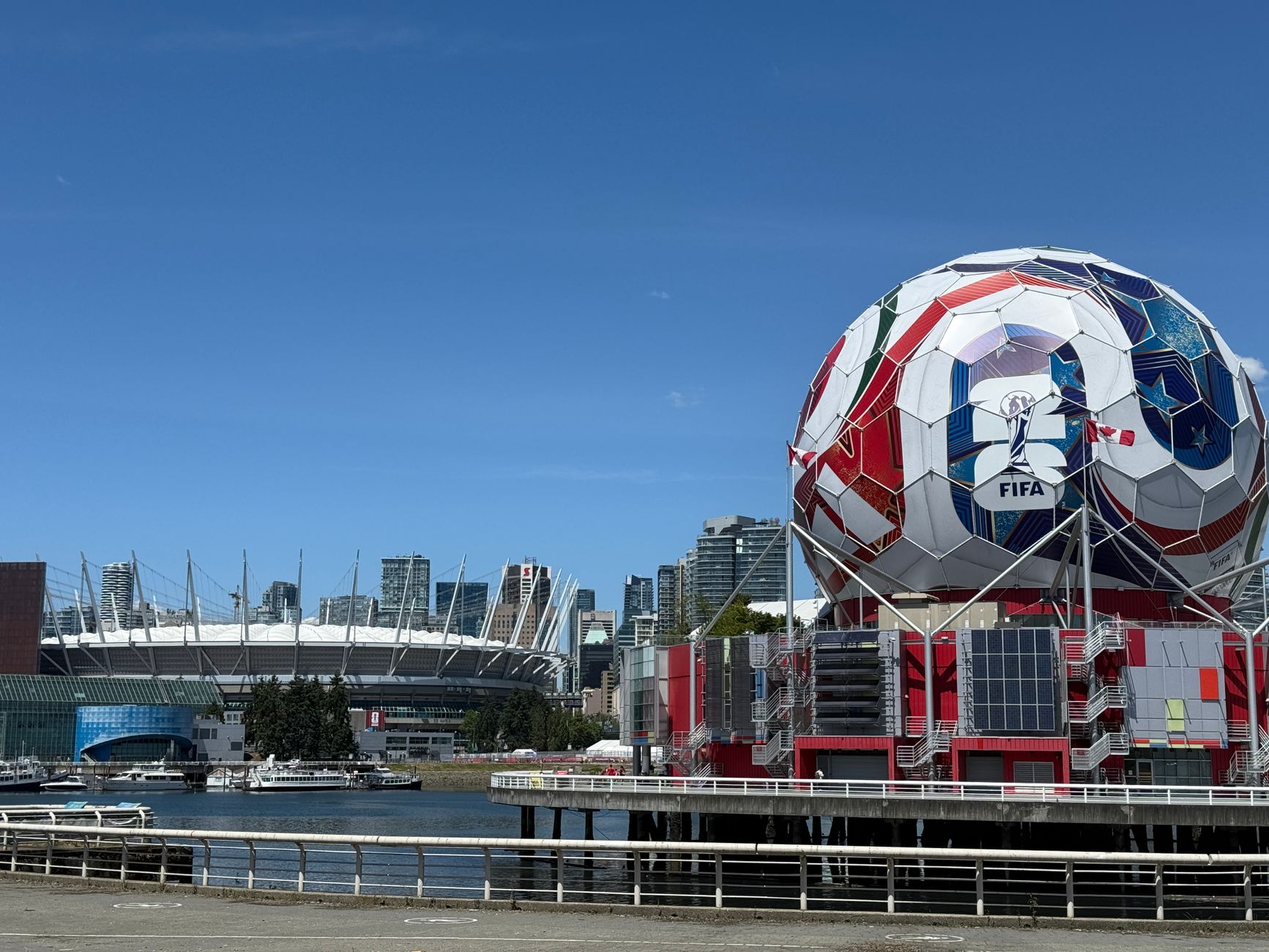
Photo by The Six on Pexels
Before the first whistle, build a card that respects uncertainty rather than pretending to defeat it.
Frequently Asked Questions
Q: What is the FIFA World Cup?
A: The FIFA World Cup is the premier international men’s football tournament organized by FIFA. It began in 1930 and is normally held every four years, bringing national teams together after continental qualification. The 2026 FIFA World Cup will be hosted by the United States, Canada, and Mexico, with 48 teams and 104 matches.
Q: How to bet on the FIFA World Cup more responsibly?
A: Bet on the FIFA World Cup by setting a fixed bankroll, comparing odds, and waiting for confirmed team news before placing major wagers. A practical approach is to risk only 1% to 2% of your bankroll per bet. Avoid chasing losses, and treat Football Insights analysis as decision support rather than a guarantee.
Q: What is different about the 2026 FIFA World Cup?
A: The 2026 FIFA World Cup is different because it expands from 32 teams to 48 teams. It will also be staged across 16 host cities in the United States, Canada, and Mexico from June 11 to July 19, 2026. That creates more matches, more travel variables, and more rotation risk than previous editions.
Q: Is betting early on FIFA World Cup futures worth it?
A: Early FIFA World Cup futures can be worth it only when the price is clearly better than the likely closing odds. The risk is that injuries, squad omissions, coaching changes, and group draws can damage a position before the tournament begins. For many bettors, waiting until lineups and venue paths are clearer is safer.
Q: Why do FIFA World Cup predictions fail so often?
A: FIFA World Cup predictions fail because knockout football contains high variance, especially from penalties, red cards, injuries, and set pieces. A superior team can dominate expected goals and still lose in 90 minutes or a shootout. Predictions improve when they include price, tactics, travel, and squad depth instead of relying only on rankings.
Q: How much money do I need to start betting on the World Cup?
A: You can start with a small bankroll, but you should only use money you can afford to lose. Many disciplined bettors divide their bankroll into 50 to 100 units, making each wager small enough to survive variance. The exact amount matters less than consistent staking and avoiding emotional bets.
End of transmission.
Football Insights • Neon Protocol • System Active