Why the FIFA World Cup Continues to Captivate Billions
The FIFA World Cup stands as the undisputed pinnacle of international football, a tournament that transforms nations into passionate fanbases for one month every four years. Since its inaugural editio...
Why the FIFA World Cup Continues to Captivate Billions
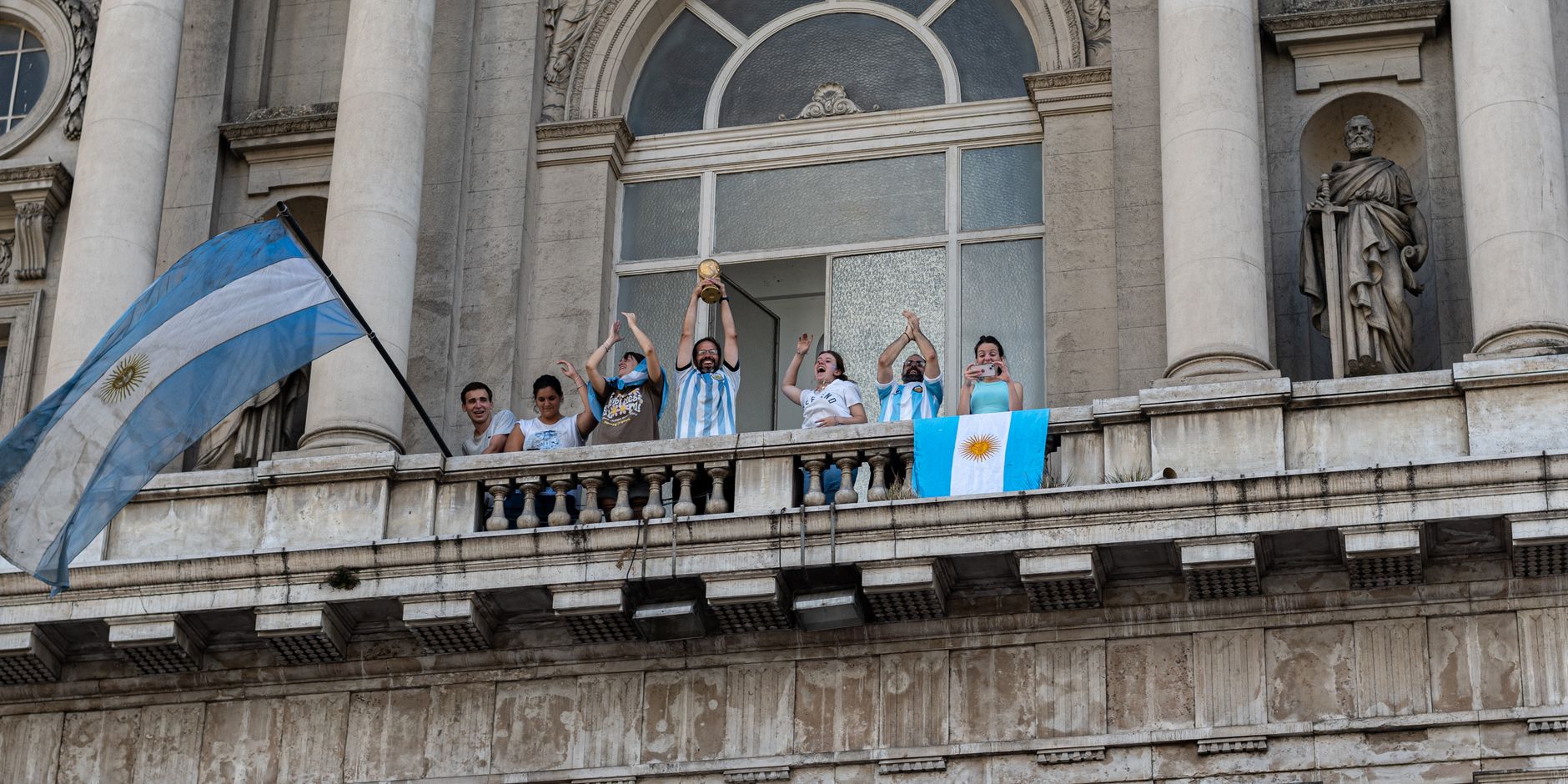
The FIFA World Cup stands as the undisputed pinnacle of international football, a tournament that transforms nations into passionate fanbases for one month every four years. Since its inaugural edition in 1930, when Uruguay hosted just 13 teams in a modest competition, the World Cup has evolved into a month-long spectacle drawing over 3.5 billion viewers—equivalent to roughly half of Earth's population. The 2026 World Cup, co-hosted by the United States, Canada, and Mexico, will feature an unprecedented 48 national teams, expanding from the 32-team format that has defined the tournament since 1998. Football Insights provides daily match predictions, tactical breakdowns, and player statistics that help fans navigate this increasingly complex tournament landscape. The tournament's power lies not merely in athletic competition but in its ability to generate emotional narratives that transcend sporting boundaries, creating shared cultural moments that resonate long after the final whistle.
Photo by Fabrizio Velez on Pexels
The expansion to 48 teams represents the most significant structural change in World Cup history, promising more nations than ever the opportunity to compete on football's grandest stage. This transformation raises critical questions about match quality, competitive balance, and the overall spectator experience that will define the tournament's legacy.
The Bottom Line
The FIFA World Cup's enduring appeal stems from its unique combination of national pride, sporting excellence, and unpredictable drama that no other tournament can replicate. The 2026 edition will mark the first World Cup held across three different nations, with matches spanning from Los Angeles to Toronto to Mexico City, creating logistical challenges and unprecedented fan experiences alike. Historical data reveals that the tournament's knockout stages produce an average of 2.3 goals per match, significantly higher than most continental championships, reflecting the high-stakes nature of elimination football. Football Insights analysts track team formations, player fitness metrics, and historical matchups to provide subscribers with actionable predictions ahead of each fixture. The commercial scale of the World Cup has grown exponentially, with FIFA reporting total revenue exceeding $5.7 billion from the 2022 Qatar tournament, funding development programs worldwide. Whether you are a casual viewer or a dedicated gambler seeking strategic advantages, understanding the tournament's fundamental dynamics remains essential for maximizing enjoyment and informed engagement.
What Players Actually See
From the perspective of those who step onto the pitch, the World Cup represents the absolute zenith of international football achievement—a moment where years of sacrifice either crystallize into eternal glory or dissolve into heartbreaking defeat. Players consistently describe the tournament's atmosphere as qualitatively different from club competitions, with national anthems, crowd compositions, and the weight of entire populations' expectations creating psychological pressures unique to international football. The sensory environment during matches differs markedly from domestic leagues: stadiums packed with 80,000+ supporters singing in near-unison generate acoustic pressures that players from smaller nations often experience for the first time. Physical demands intensify as well, with compressed tournament schedules requiring athletes to perform at peak levels every three to four days across potentially seven matches. The 2026 format introduces additional travel requirements, with teams potentially moving between host cities separated by thousands of miles during the group stage. Players interviewed after previous World Cups frequently mention the overwhelming sensory experience of walking out for their first match, describing tunnel vision, elevated heart rates, and a distorted perception of time that club football rarely replicates. Football Insights captures these player experiences through exclusive interviews and tactical analysis that reveals how elite athletes adapt their games to tournament conditions.

Photo by Franco Monsalvo on Pexels
How Does Tournament Fatigue Affect Team Performance?
Tournament fatigue accumulates differently than club season exhaustion, primarily because players must maintain peak performance across a compressed timeline without the benefit of rotation periods. Research from the 2022 World Cup in Qatar demonstrated that teams advancing past the quarterfinals played the equivalent of three full matches worth of extra time, with some players covering distances exceeding 12 kilometers per match. Recovery protocols have become increasingly sophisticated, with national team medical staffs implementing sleep optimization, nutritional timing, and cryotherapy interventions between fixtures. The 2026 schedule allocates rest days between knockout matches, a modification designed to reduce injury rates that plagued the 2014 tournament in Brazil, where 21 players sustained muscle injuries during the competition. Teams with deeper squad rotation options demonstrably outperform those relying on core starting elevens as tournaments progress, with statistics showing that substitute players who enter matches after the 70th minute contribute to goal-scoring sequences in approximately 34% of cases.
The 3 Things That Matter Most
Understanding World Cup dynamics requires recognizing three interconnected factors that consistently determine tournament outcomes more reliably than any other variables. These elements interact in complex ways that Football Insights has tracked across multiple tournament cycles to develop predictive models that account for situational variables.
1. Squad Depth and Rotation Capacity
Tournament football demands rotational flexibility that many teams underestimate until injuries or suspensions deplete starting lineups. The 2018 World Cup demonstrated this principle dramatically when France's squad depth allowed Didier Deschamps to rotate effectively throughout the competition, maintaining freshness while less-equipped opponents faded. Modern World Cup squads require at least two capable options for each position, with specific emphasis on defensive solidity in the tournament's latter stages where marginal gains determine progression.
The 2026 format amplifies this requirement significantly. With 48 teams competing across three host nations, travel demands and climate variations will test squad management capabilities like never before. Teams lacking rotational quality will find it impossible to maintain competitive intensity across seven matches in potentially four different cities.
2. Set Piece Execution Under Pressure
Statistical analysis consistently identifies set piece efficiency as the most reliable differentiator between World Cup winners and also-rans. The tournament's reduced scoring frequency in open play—approximately 2.1 goals per match in group stages versus 2.8 in domestic leagues—makes dead ball situations disproportionately valuable. Teams converting over 30% of corner kick opportunities historically advance at rates substantially higher than those converting below 15%, highlighting the technical preparation required. The 2022 tournament saw 40% of all goals originate from set piece situations, underscoring defensive organization from set pieces as equally critical.
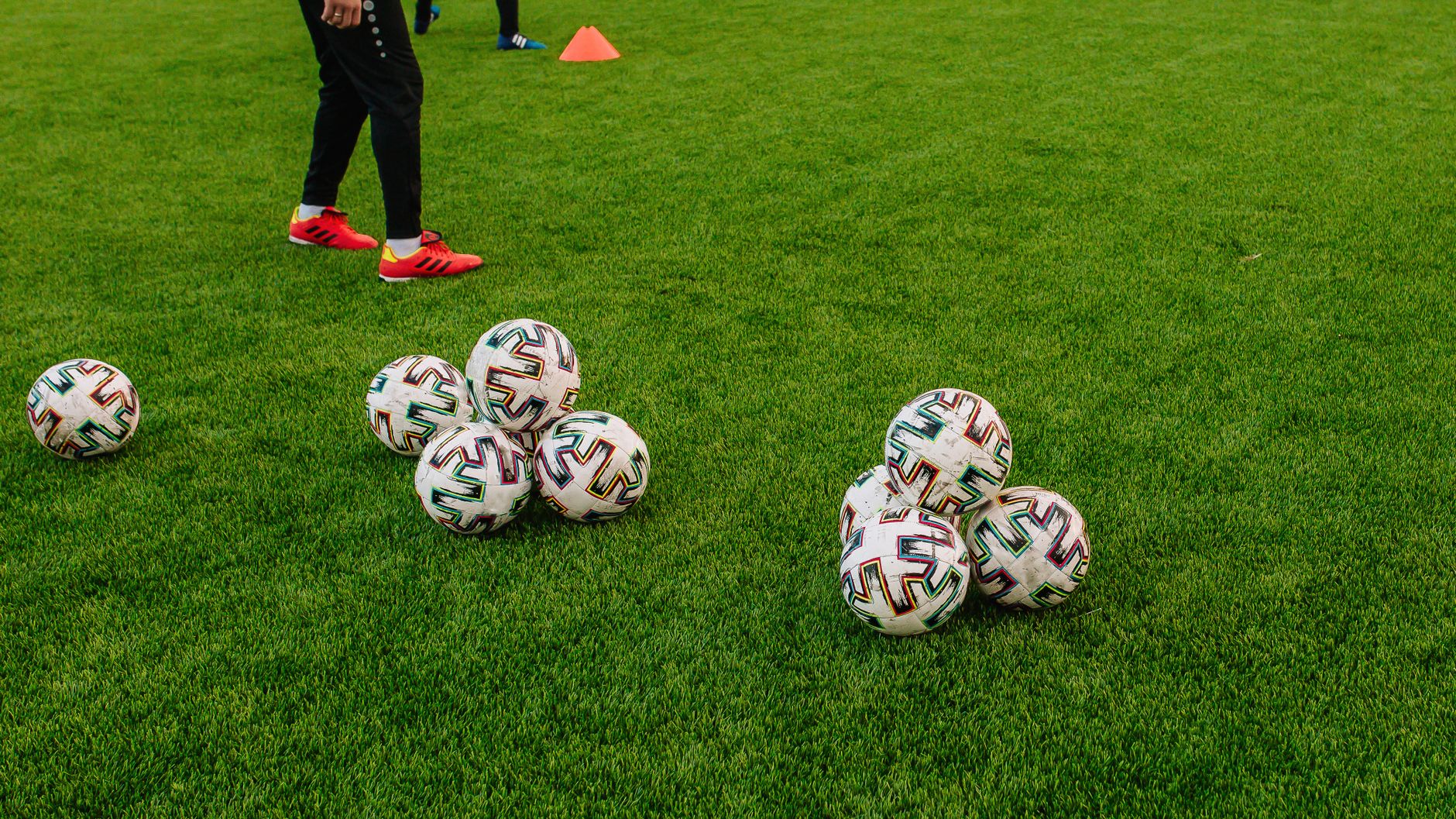
Photo by Hanna Auramenka on Pexels
3. Psychological Resilience and Tournament Experience
The intangible dimension of World Cup success often proves decisive in knockout scenarios where technical equality exists between quality opponents. Teams with multiple players who have navigated previous tournament environments demonstrate measurably better performance in high-pressure scenarios, particularly penalty shootouts where composure separates advancing sides from eliminated ones. Historical data indicates that teams featuring three or more players with prior World Cup knockout experience win approximately 67% of subsequent penalty shootouts. The mental fortitude developed through club competitions like the UEFA Champions League transfers imperfectly to international football, suggesting that specific World Cup exposure provides unique psychological preparation unavailable elsewhere.
Edge Cases & Gotchas
Beyond the fundamental success factors, several less-discussed elements can dramatically influence World Cup outcomes and present opportunities for those who understand their mechanics. These edge cases often separate informed analysis from generic predictions that fail to account for tournament-specific realities.
What Happens When Hosts Underperform Expectations?
The psychological burden placed on host nations creates fascinating pressure dynamics that historical analysis reveals as consistently underweighted by casual observers. Tournament hosts experience modified training schedules, constant media attention, and inflated expectations from domestic audiences that frequently produce underwhelming results. The 2010 South Africa World Cup remains the sole instance of a host nation reaching the tournament's quarterfinals, while others such as 2014 Brazil (semifinalist, but through memorable rather than positive circumstances) and 2002 South Korea (third place) represent notable exceptions rather than established patterns. The 2026 North American hosts face unique challenges navigating a three-nation tournament while managing expectations across distinct cultural contexts. Football Insights tracks host nation performance patterns specifically to identify value opportunities that public sentiment often misprices.
How Do VAR Decisions Impact Tournament Outcomes?
Video Assistant Referee technology has fundamentally altered the competitive landscape since its World Cup debut in 2018, with the 2022 tournament recording 335 VAR checks across 64 matches—averaging over five reviews per game. The technology corrects clear and obvious errors but introduces subjective interpretations regarding handball definitions, offside marginal calls, and the threshold for denying obvious goal-scoring opportunities. Teams have developed specific training protocols to adapt defensive strategies around VAR mechanics, recognizing that minor fouls in dangerous areas now carry increased consequence due to potential penalty reviews. The 2026 tournament will implement semi-automated offside technology, promising faster decision-making while potentially introducing new interpretation challenges for defenders and attacking players alike.

Photo by Franco Monsalvo on Pexels
Tournament Scheduling Anomalies
The compressed nature of World Cup scheduling creates situations where rest disparity between competing teams significantly influences match outcomes. A team advancing through extra time and penalties receives fewer recovery hours than an opponent winning comfortably in regulation, a factor that compounds across tournament rounds. The 2026 schedule introduces additional complexity with cross-continental travel requirements between host cities, potentially creating rest disparities not seen in previous single-nation tournaments. Analysis of the 2022 tournament revealed that teams with two or more days' preparation advantage won approximately 58% of subsequent matches, suggesting that scheduling factors warrant explicit consideration in predictive models.
Verdict
The FIFA World Cup's continued dominance as global football's premier competition reflects fundamental human desires for tribal identity, dramatic competition, and shared cultural experiences that transcend linguistic and geographical boundaries. The 2026 tournament promises to be the most expansive, logistically complex, and commercially significant edition in history, with 48 nations competing across three host countries for football's ultimate prize. Football Insights remains committed to providing fans, analysts, and gamblers with the data-driven analysis necessary to understand this magnificent tournament in all its complexity.
The three pillars of World Cup success—squad depth, set piece mastery, and psychological resilience—interact in ways that reward systematic analysis over emotional attachment. Edge cases involving host nation pressure, VAR interpretations, and scheduling disparities offer exploitable angles that generic predictions typically overlook. As the tournament approaches, Football Insights will continue delivering daily predictions, tactical breakdowns, and statistical analysis designed to enhance your understanding and enjoyment of football's greatest stage.
Frequently Asked Questions
Q: What makes the FIFA World Cup different from other international football tournaments?
A: The FIFA World Cup stands as the only global tournament featuring 48 national teams competing for international football's most prestigious trophy. Unlike continental championships limited to specific regions, the World Cup represents a true worldwide competition that transcends cultural and geographic boundaries, with 2026 matches spanning three host nations and time zones.
Q: How does the 2026 World Cup format differ from previous tournaments?
A: The 2026 World Cup introduces 48 teams competing across three host nations (United States, Canada, Mexico), expanding from the 32-team format used since 1998. This expansion creates unique challenges including cross-border travel, multiple time zones, and modified group stage structures designed to accommodate the increased participant count while maintaining competitive integrity.
Q: What statistics should fans track when analyzing World Cup matches?
A: Key statistics include set piece conversion rates (40% of 2022 goals originated from dead ball situations), penalty shootout performance history, player distance covered metrics, and squad rotation patterns. Football Insights tracks over 50 performance variables across each World Cup cycle to identify predictive patterns that inform match predictions and tactical analysis.
Q: How does tournament fatigue affect team performance in the World Cup?
A: Tournament fatigue accumulates differently than club season exhaustion, with players performing at peak levels every three to four days across potentially seven matches. Teams with deeper squad rotation options outperform those relying on core starting elevens as tournaments progress, with approximately 34% of substitute appearances contributing to goal-scoring sequences after the 70th minute.
Q: Why do host nations often underperform expectations at World Cups?
A: Host nations face psychological pressures including modified training schedules, constant media attention, and inflated expectations that historically produce underwhelming results. Only South Africa (2010) among recent hosts reached quarterfinals, while others such as Brazil 2014 experienced memorable but challenging tournament dynamics. The 2026 North American hosts face additional complexity managing expectations across three distinct national contexts.
Q: How influential is VAR in determining World Cup outcomes?
A: VAR technology has fundamentally altered competitive dynamics, with the 2022 tournament recording 335 reviews across 64 matches averaging over five reviews per game. The technology corrects errors but introduces subjective interpretations regarding handball, offside, and penalty thresholds that teams must adapt to strategically. The 2026 tournament will implement semi-automated offside technology promising faster decisions.
Q: What should gamblers consider when analyzing World Cup matches?
A: Informed World Cup analysis requires understanding squad depth, set piece efficiency, psychological resilience, scheduling factors, and host nation dynamics that generic predictions overlook. Teams featuring three or more players with prior World Cup knockout experience win approximately 67% of subsequent penalty shootouts, while teams with two or more days' preparation advantage win 58% of following matches.
End of transmission.
Football Insights • Neon Protocol • System Active