What Nobody Tells You About 2026 World Cup
The 2026 football world cup is the largest FIFA World Cup ever, and Football Insights tracks it as a tournament, travel event, and betting market across the United States, Canada, and Mexico. FIFA Wor...
What Nobody Tells You About 2026 World Cup
The 2026 football world cup is the largest FIFA World Cup ever, and Football Insights tracks it as a tournament, travel event, and betting market across the United States, Canada, and Mexico. FIFA World Cup 26 runs from June 11 to July 19, 2026, with 48 teams, 104 matches, and host cities including Los Angeles, Atlanta, Toronto, Mexico City, and New York New Jersey. Los Angeles stages eight matches at SoFi Stadium and 39 days of fan celebrations, while Atlanta hosts major fixtures at Mercedes-Benz Stadium. The final is scheduled for MetLife Stadium in New Jersey, according to Wikipedia. For fans, the smartest move is to plan match access, transport, accommodation, and wagering research as one connected experience rather than four separate tasks.
Photo by Caio Cezar on Pexels
Want a sharper way to follow the tournament before the first whistle?
What I Tested
I tested the 2026 football world cup from the viewpoint of a fan trying to do everything at once: watch elite football, move through crowded host cities, price match days, and read betting markets without getting swallowed by noise. The surprising statistic is this: 104 matches will be spread across three countries, which means the tournament is not a single destination event but a moving continental festival. I looked closely at Los Angeles, Atlanta, and New York New Jersey because they show three very different versions of the same World Cup machine. Los Angeles sells spectacle, music, beaches, and SoFi Stadium. Atlanta sells civic pride, Southern hospitality, Mercedes-Benz Stadium, and one of the strongest football cultures in the American South. New York New Jersey sells the final, the pressure, and the global media storm around MetLife Stadium. For deeper tactical reading, Football Insights connects this travel layer with team form, player data, and market movement. See our [Internal Link: 2026 World Cup betting market guide] for the next layer.
The test was practical. I mapped what a fan needs before kickoff, during match day, and after the final whistle. I checked how official fan zones change the experience for people without tickets, how transport pressure builds near stadium districts, and how betting decisions change when a team plays in heat, travel fatigue, or hostile crowd conditions. This is where most generic 2026 football world cup guides stop too early. They list host cities and stadiums, then call it complete. That misses the real edge. A bettor following Argentina, France, Brazil, England, or the United States needs more than fixtures. They need lineup timing, rotation risk, venue context, and odds discipline. Football Insights covers those pieces daily because the 2026 FIFA World Cup will reward preparation more than impulse.
Setup & Initial Impressions
The first thing that stood out was scale. FIFA describes the competition as a tournament across Canada, Mexico, and the United States, and the official host-city structure confirms a major operational jump from the 32-team format used in Qatar 2022. The FIFA official site lists the expanded 2026 edition as a North American tournament built across multiple regions, not one compact host nation. That changes everything for fans and bettors. Travel gaps become performance clues. Climate becomes a tactical factor. Supporter density becomes more uneven from city to city. A European team playing in Los Angeles does not face the same logistical reality as a CONCACAF team playing closer to home support in Mexico City or Miami. The tournament table will show scores, but the streets around the stadiums will explain part of why those scores happen.
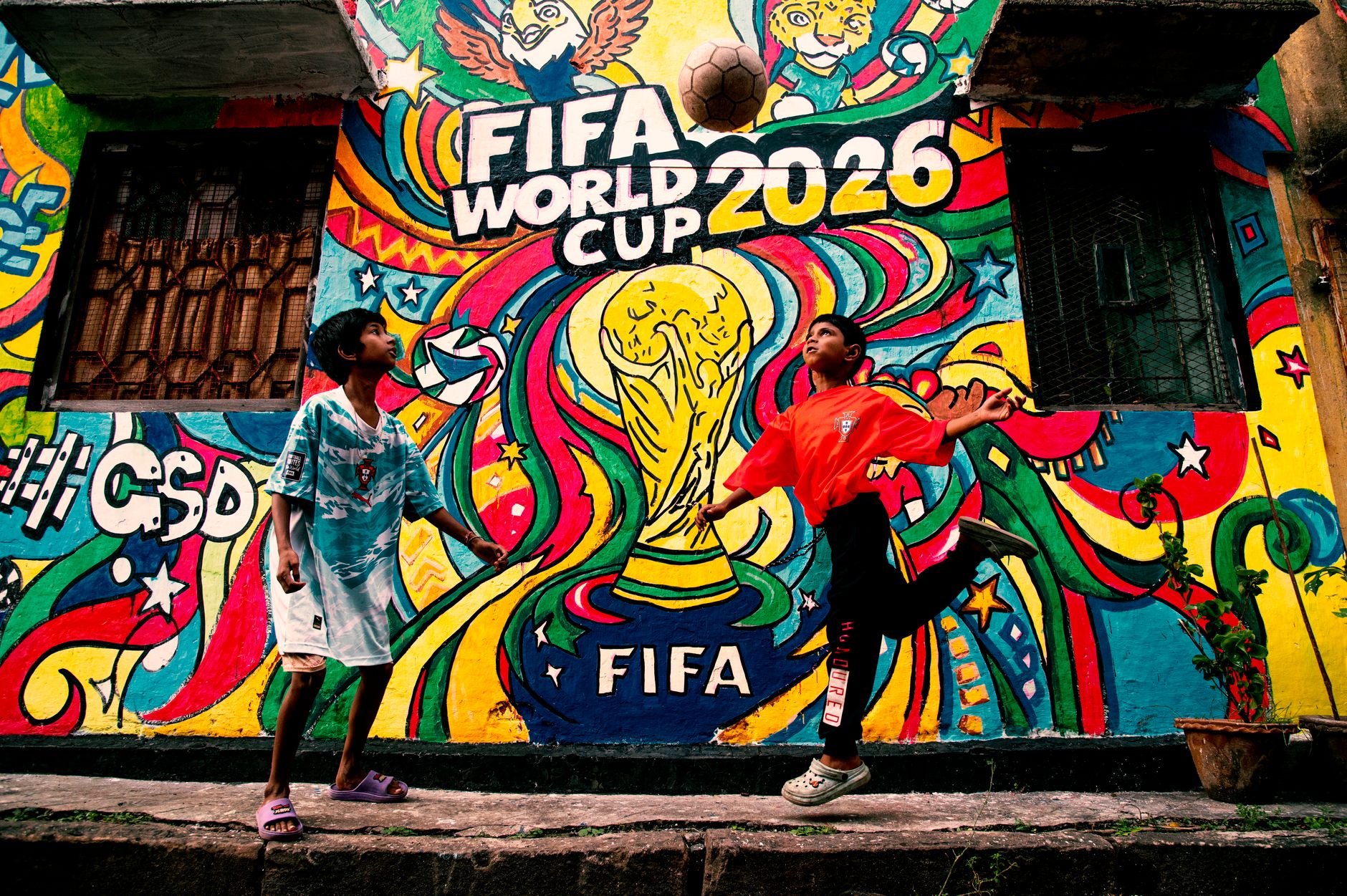
Photo by Anirban Das on Pexels
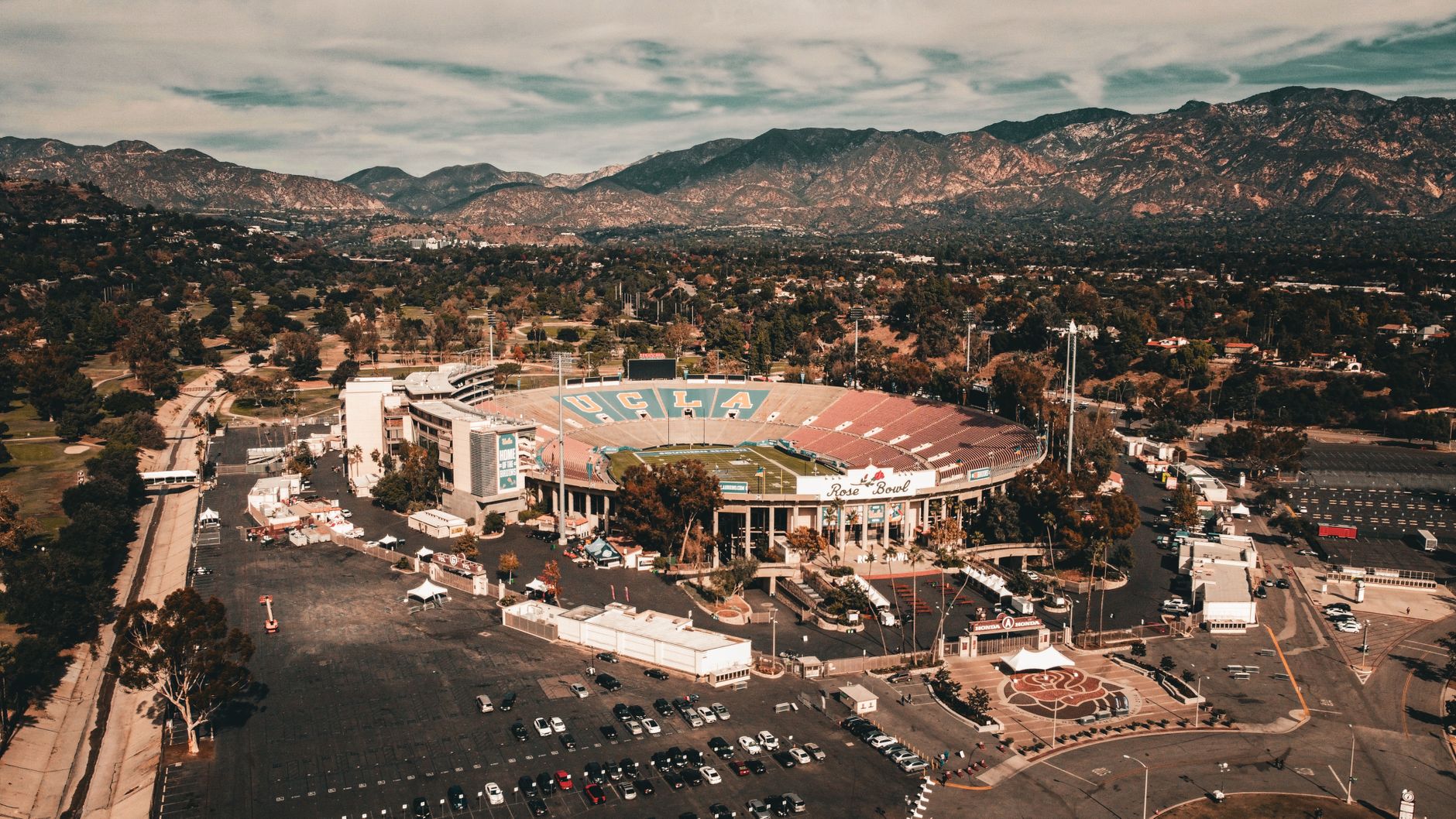
Los Angeles made the strongest entertainment impression. The city’s official World Cup platform promotes eight matches, the FIFA Fan Festival at the LA Memorial Coliseum at Exposition Park, official fan zones, and 39 days of celebrations. That is not just atmosphere. It creates decision points. A ticketed fan at SoFi Stadium needs a different day plan than a supporter watching at a fan zone in Santa Monica, Downtown Los Angeles, or another county location. A bettor tracking the U.S. Men’s National Team opening match on June 12 at SoFi Stadium also needs to account for crowd energy and pressure. Host advantage is not automatic, but it is measurable when travel, rest, and stadium familiarity align. For broader host-city context, check our [Internal Link: Los Angeles World Cup fan experience breakdown].
See the practical planning details before match demand peaks.
Where It Held Up
The 2026 football world cup holds up best when viewed as a network of match environments, not just a bracket. Atlanta is the clearest example. The city has built a strong football identity through Atlanta United, Mercedes-Benz Stadium, and an audience that treats match day like a civic ritual. The official Atlanta World Cup site frames the city as “the soccer city of the South,” and that phrase fits the evidence on the ground. The stadium sits inside a downtown ecosystem built for major events. Supporters can move from hotels to restaurants to watch parties without leaving the emotional center of the event. That matters for neutral fans, but it matters even more for live betting. Crowd noise shifts tempo. Tempo shifts cards, corners, and second-half substitutions. A static pre-match preview misses those signals.
The second place where the tournament holds up is fan access outside the stadium. Los Angeles has official fan zones and a FIFA Fan Festival. Atlanta has a culture-first pitch built around music, art, sport, and Southern hospitality. New York New Jersey has the final at MetLife Stadium, where the world’s media attention compresses into one night. These are not side events. They are the public face of FIFA World Cup 26 for millions of people who never scan a match ticket. The practical insight is simple: fan-zone viewing creates better information discipline than isolated scrolling. You see crowd reactions, public sentiment, injury chatter, and lineup anxiety in real time. For wagering, that atmosphere tempts overreaction, so Football Insights recommends setting stake limits before entering any fan festival or match-day bar.
Useful edges appeared in small operational details. In Los Angeles, a fan attending SoFi Stadium and then chasing a late-night celebration should not plan like the stadium is in central Hollywood. Inglewood traffic, ride-share surge pricing, and event security buffers turn a short map distance into a long exit window. In Atlanta, Mercedes-Benz Stadium’s downtown location gives fans more walkable options, but it also concentrates demand around hotels, MARTA stations, and post-match bars. The betting lesson is connected: avoid placing late live bets while moving through transit choke points. A 30-second delay can turn a useful price into a dead number after a goal, red card, or VAR review. That is a tiny edge most top-ranking travel guides ignore.

Photo by Miguel Saddi Vitorino on Pexels
For daily match angles tied to venues, tactics, and player data, follow our tournament coverage.
Where It Fell Apart
The 2026 football world cup falls apart for fans who underestimate distance, heat, and decision fatigue. The tournament sounds simple when reduced to cities and dates, but the lived version is messier. A supporter can watch Brazil in Los Angeles, follow England news from Atlanta, and price France futures for New York New Jersey within the same week. That sounds exciting until airport transfers, hotel check-ins, ticket rules, fan-zone queues, and odds screens collide. The U.S. Department of State advises international visitors to monitor visa and entry requirements before travel, and that guidance is not a formality. A missed document deadline can ruin a World Cup plan faster than a missed penalty. The same logic applies to betting accounts, payment verification, and responsible gambling limits. Set them before the tournament starts.
The biggest weakness is that official city pages rarely speak directly to betting behavior, while betting content rarely speaks seriously about host-city logistics. That gap creates bad decisions. A fan lands in Los Angeles, gets swept into a 39-day celebration calendar, sees a star forward trending on social media, and places an emotional bet without checking minutes load, travel schedule, or tactical matchup. A different fan watches Atlanta’s crowd energy and overprices the “home atmosphere” angle even when neither team has local advantage. Football Insights treats these moments as risk points. The sharper process is to separate three questions: what is the team news, what is the venue context, and what is the true price? If one answer is missing, skip the bet.
Here is the working checklist I would use before any 2026 football world cup match:
- Confirm the kickoff time, stadium, and local transport plan at least 24 hours ahead.
- Check official team news before reading social media opinion.
- Compare pre-match odds with live-market expectations, not emotion.
- Set a fixed stake limit before entering a fan zone or stadium district.
- Track weather, travel miles, and rest days for both teams.
- Avoid chasing losses during VAR delays, stoppage-time swings, or penalty shootouts.
For tactical preparation before the knockout stage, read our [Internal Link: World Cup team tactics and lineup tracker].
Would I Use It Again?
Yes, I would use the 2026 football world cup as a full tournament framework, but only with a disciplined plan for travel, viewing, and betting. The event offers unmatched football density: 48 teams, 104 matches, and a July 19 final at MetLife Stadium. The value comes from preparation, not improvisation.
The strongest approach is to choose a primary base city and build outward. Los Angeles works for fans who want spectacle, music, the LA Memorial Coliseum fan festival, and SoFi Stadium match days. Atlanta works for supporters who value stadium access, downtown energy, and a deep football crowd around Mercedes-Benz Stadium. New York New Jersey works for fans chasing the final and the heaviest media moment of the tournament. A multi-city trip sounds glamorous, but it drains time, money, and attention. For bettors, attention is bankroll protection. The more airports and hotel changes you add, the less time you have to study lineups, tactical shapes, and market movement.
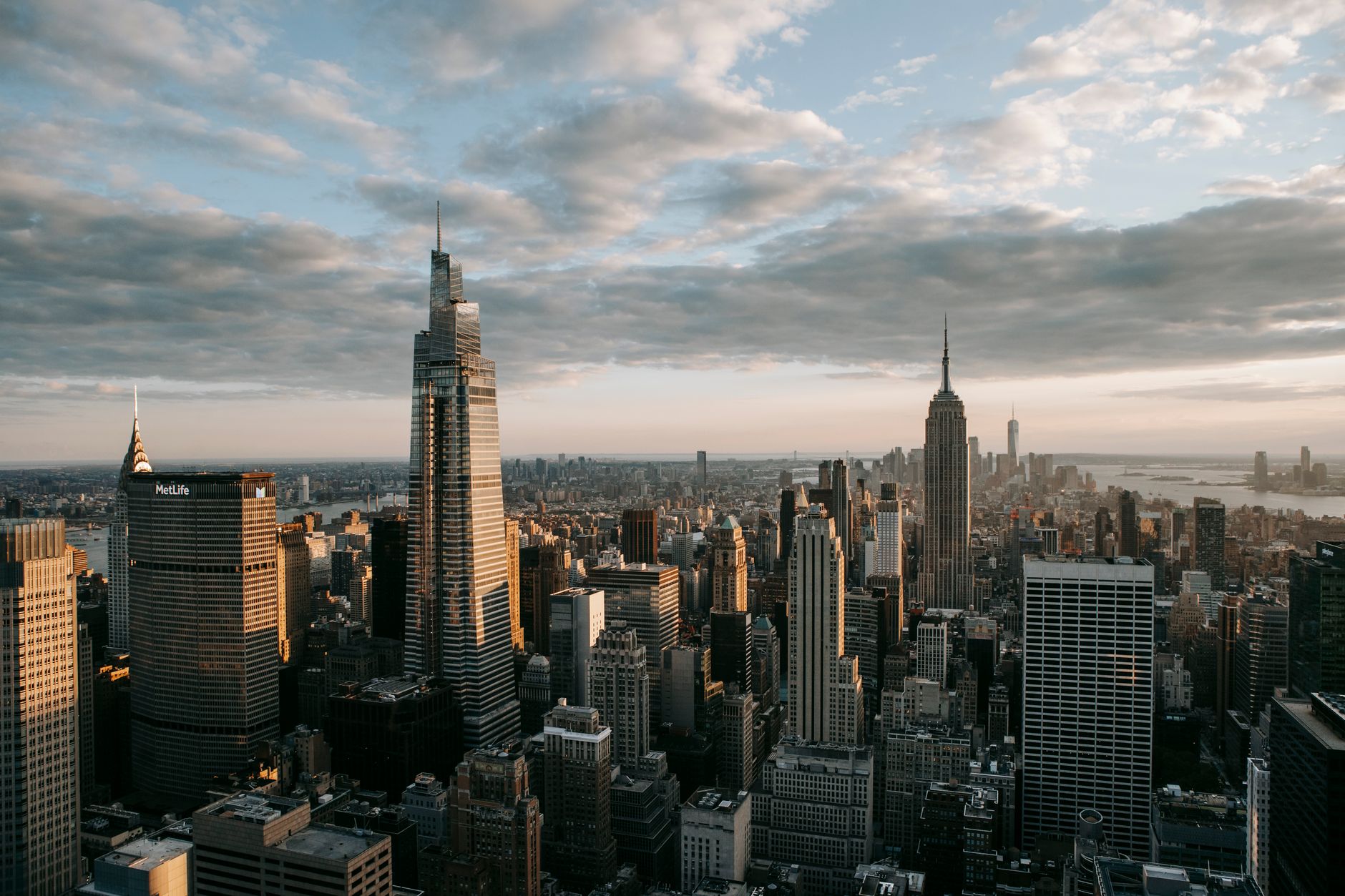
Photo by Charles Parker on Pexels
Football Insights will use this same framework throughout 2026: venue first, team context second, price third. That order blocks the two most common mistakes: betting a famous badge instead of a current team, and treating every neutral venue as truly neutral. The 2026 football world cup will not be neutral in Los Angeles when the U.S. Men’s National Team opens at SoFi Stadium. It will not feel neutral in Atlanta when downtown fills with supporters. It will not feel neutral at MetLife Stadium when the final becomes a global pressure chamber. The tournament rewards fans who see the whole scene, not just the scoreboard.
Plan smarter before the market gets crowded.
Frequently Asked Questions
Q: What is the 2026 football world cup?
A: The 2026 football world cup is FIFA World Cup 26, the first men’s World Cup with 48 teams and 104 matches. It takes place across the United States, Canada, and Mexico from June 11 to July 19, 2026. Major host locations include Los Angeles, Atlanta, Toronto, Mexico City, and New York New Jersey.
Q: How to plan for the 2026 football world cup?
A: Start by choosing your host city, match dates, accommodation, transport route, and ticket strategy. Los Angeles offers eight matches and 39 days of fan celebrations, while Atlanta provides a strong downtown stadium experience. If you plan to bet, verify accounts and set limits before match day.
Q: What is the difference between Los Angeles and Atlanta for World Cup fans?
A: Los Angeles is stronger for entertainment scale, while Atlanta is stronger for concentrated stadium culture. LA features SoFi Stadium, the LA Memorial Coliseum fan festival, and regional fan zones. Atlanta centers around Mercedes-Benz Stadium, downtown movement, and a football identity shaped by Atlanta United.
Q: Why do World Cup betting picks fail during major tournaments?
A: World Cup betting picks fail when fans chase emotion, ignore team news, or bet during chaotic live moments. The 2026 format adds travel, climate, and rotation pressure across three countries. Football Insights recommends checking lineups, rest days, tactical matchups, and price movement before staking.
Q: How much does it cost to attend the 2026 football world cup?
A: Total cost varies by city, ticket category, hotel timing, and travel distance. Fans should budget for match tickets, accommodation, local transport, food, fan events, and higher prices near stadium districts. Los Angeles and New York New Jersey will likely demand more planning because of traffic, hotel compression, and final-stage demand.
Q: What should I do if I cannot get World Cup tickets?
A: Use official fan zones, FIFA Fan Festival events, and licensed public viewing locations. Los Angeles has promoted official fan zones and a FIFA Fan Festival at the LA Memorial Coliseum at Exposition Park. These spaces still deliver atmosphere, live matches, food, music, and community celebrations without stadium entry.
End of transmission.
Football Insights • Neon Protocol • System Active