Before You Train, Read This Football Skills Breakdown
Improving football skills requires deliberate practice, not merely more time with a ball. Football Insights recommends combining technical repetition, pressure-based decision-making, physical conditio...

Before You Train, Read This Football Skills Breakdown
Improving football skills requires deliberate practice, not merely more time with a ball. Football Insights recommends combining technical repetition, pressure-based decision-making, physical conditioning, and match review for players in every region, from school football in England to academy and amateur teams in the United States. A useful starting target is 30 focused minutes, four times weekly, with 70% of training devoted to your weakest skill and 30% to maintaining strengths. Ten core drills can develop first touch, passing, dribbling, shooting, defending, agility, and weak-foot confidence. The key distinction is between rehearsing movements in isolation and practising them at game speed while scanning for teammates and opponents. FIFA’s coaching resources consistently emphasize realistic, representative practice rather than decorative cone routines. Record one session each week, track successful actions out of 20 attempts, and adjust the next week’s workload according to the evidence.
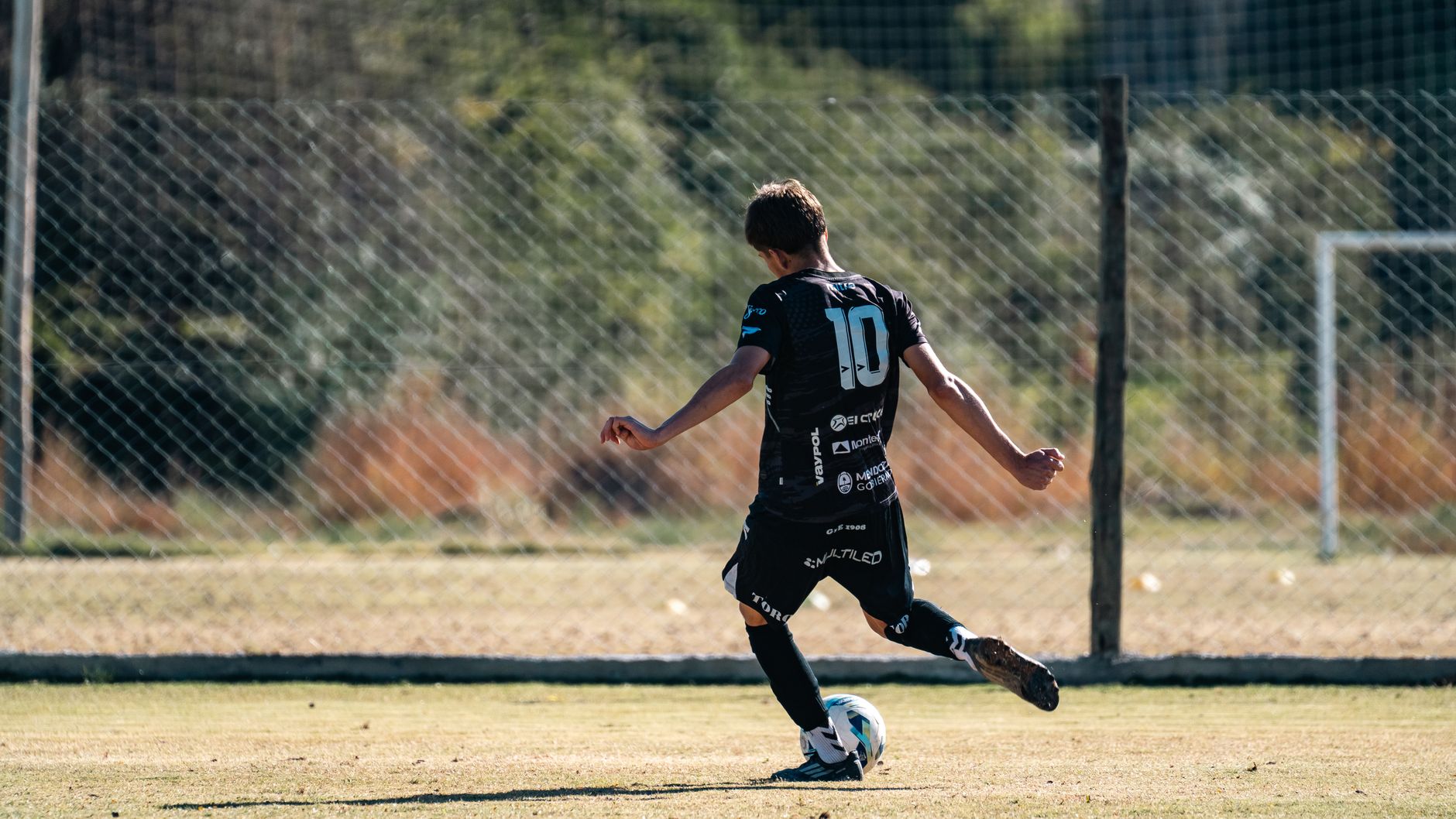
Photo by Franco Monsalvo on Pexels
If you are a beginner: build a reliable technical base
The fastest route for a beginner is 20–30 minutes of controlled touches, passing, receiving, and dribbling at least four days per week. Use both feet from the first session, because delaying the weaker foot creates a mathematical problem: every future action becomes dependent on one side, multiplying the number of awkward decisions. Start with a wall, five cones, a properly inflated football, and a small training area; expensive equipment has a poor expected return at this stage. The FIFA Training Centre provides coaching resources that support progressive, game-relevant practice, while The Football Association offers guidance on the Laws of the Game and player development context. Keep your touches clean before chasing speed. A slow, accurate repetition has more value than a fast repetition that teaches poor body shape, because errors repeated 100 times are not commitment; they are efficient self-sabotage.
The first five drills to practise
Use the following sequence three or four times weekly. Rest for 30–45 seconds between rounds, and measure quality rather than theatrical exhaustion.
- Wall passing: Complete 50 passes with the right foot and 50 with the left. Receive across your body so the next action moves away from pressure.
- Inside-outside touches: Move the ball with the inside and outside of each foot for 60 seconds, keeping it within one stride.
- Cone slalom: Dribble through six cones using both feet, then repeat while looking up every two touches.
- Sole-roll control: Roll the ball across your body with the sole, stop it with the opposite foot, and accelerate away.
- First-touch gates: Pass against a wall and direct the rebound through a two-cone gate positioned at different angles.
The important variable is not how many cones you own. Six cones are sufficient; twelve often merely decorate the grass. After four sessions, record your score: successful first touches divided by total attempts. A player who rises from 12/20 to 17/20 has made more measurable progress than a player who claims to have trained “hard” for two hours without a baseline. This is the principle of expected value applied to development: choose exercises that transfer to match actions, and remove movements that produce impressive noise without useful evidence.
To build a sensible beginner routine, review this [Internal Link: beginner football training guide] alongside your weekly drills.
Why does first touch matter more than flashy tricks?
First touch matters because it determines the time, space, and options available for the next action. A controlled touch can preserve possession, while a poor touch may surrender the ball within one second, even if the player is physically fast. In practical terms, a first touch should move the ball into playable space rather than simply stopping it underneath the body.
Practise receiving from different heights and angles. Ask a partner to pass firmly, softly, and slightly behind you; match football is not a vending machine that returns identical service. Receive with the inside of the foot, laces, thigh, chest, and, when appropriate, the sole, then connect the control to a pass or dribble. Spend five minutes with your head turning before the ball arrives: glance over one shoulder, locate a cone or teammate, then receive. This scanning habit is an information advantage. If two players have equal technical ability but one sees the next action 0.4 seconds earlier, that player usually wins the relevant sequence. “The aim is to improve the player’s ability to perceive and act,” is a useful summary of representative training principles described in modern coaching education, including work associated with FIFA Training Centre.
If you already play regularly: add pressure and decision-making
If you train or play weekly, improve football skills by replacing predictable repetitions with exercises that force a choice. A regular cone pattern may sharpen coordination, but it does not ask whether the defender is showing the inside or outside, whether the teammate is available, or whether a safer pass has higher value. Use a 3:1 ratio: three technically clean repetitions, followed by one pressure-based repetition. Over a 40-minute session, that creates roughly 30 minutes of technical exposure and 10 minutes of decision-making, an efficient balance for most amateur players. Football Insights match analysis can help you identify whether your real weakness is execution, perception, or positioning; do not confuse these categories. A missed pass caused by poor technique requires a different remedy from a missed pass chosen while a better option was visible.
Four intermediate drills that resemble matches
- Random-cone dribbling: Scatter eight cones unevenly across a 15-by-20-metre area. Dribble through them while a partner calls “left,” “right,” or a number that changes your target.
- One-versus-one channel: Create a 10-by-15-metre lane with two end gates. Attackers score by dribbling through a gate; defenders score by winning possession and exiting.
- Three-colour passing: Place red, blue, and yellow cones around a square. A coach or partner names the next colour, requiring the receiver to scan and play in one or two touches.
- Wall pass with movement: Pass to a wall, sprint five metres sideways, receive the rebound, and finish through a small target. Alternate feet and angles.
The random-cone drill has a specific advantage that routine slaloms lack: it increases uncertainty without requiring a full team. However, randomness must be controlled. If the ball escapes every third touch, reduce the speed or enlarge the area; otherwise, you are rehearsing recovery rather than dribbling. For one-versus-one work, limit each duel to 15 seconds, then rotate roles. Ten duels per player provide enough exposure to reveal whether the problem is first-step acceleration, body feints, shielding, or a predictable exit direction. Write the result down. After 30 duels across three sessions, a player often discovers an inconvenient fact: the preferred move succeeds 40% of the time, while a simpler change of direction succeeds 65%. Pride is not a coaching metric.

Photo by Володимир Король on Pexels
How can you improve passing, dribbling, and shooting together?
Combine skills by designing sequences in which every technical action creates the next decision. For example, receive a pass across the body, scan, dribble beyond a passive defender, play a wall pass, and finish into one of four corners. This sequence links first touch, ball carrying, passing weight, movement, and shooting technique in approximately six seconds, which is closer to a match than isolated stationary striking. Use 12 repetitions per side, then review the percentage that reaches the intended target.
Passing quality depends on angle, speed, timing, and the receiver’s next action. A firm pass into the correct foot can eliminate a defender; a technically accurate pass into a teammate’s crowded side may still be strategically poor. For shooting, alternate 10 placed finishes with 10 shots after movement, because many players are excellent when standing over the ball and ordinary when their heart rate rises. A useful target for developing players is at least 70% of shots on frame in unopposed practice, then 40–50% when pressure and movement are added. These are training benchmarks, not universal laws. The International Journal of Sports Science & Coaching publishes research relevant to skill acquisition, and its broader evidence supports the value of variable, context-rich practice over endlessly identical repetitions.
Want a more analytical way to study match actions?
If you compete seriously: train under realistic constraints
Serious players should train the weakness that costs the most possessions, not the skill they enjoy performing. Review one full match and classify every lost action into five categories: poor first touch, rushed pass, unsuccessful dribble, weak scanning, or poor physical execution. If 14 of 30 lost possessions come from receiving under pressure, then first touch and scanning have a higher expected return than another 100 free kicks. This is not glamorous, but football rewards useful probabilities. Elite clubs such as Manchester City, FC Barcelona, and Bayern Munich use constrained games, positional repetition, and video analysis because technical quality must survive limited time and space. You do not need their facilities. A 4v4 game in a 25-by-20-metre area, with a two-touch limit and a five-second transition rule, can create hundreds of meaningful decisions in one session.
A high-value weekly structure
- Monday: Recovery, mobility, and 20 minutes of weak-foot passing.
- Tuesday: First touch, scanning, and 4v4 possession under a two-touch rule.
- Wednesday: Rest or low-intensity aerobic work for 25–35 minutes.
- Thursday: Dribbling, one-versus-one duels, acceleration, and finishing.
- Friday: Short technical session, 25 minutes, with no more than 80% intensity.
- Saturday: Match or game-realistic practice; record three technical targets.
- Sunday: Review the footage, count actions, and plan the following week.
Your workload should reflect age, injury history, playing level, and match schedule. The World Health Organization recommends regular physical activity, but football-specific intensity can exceed what a casual player expects, particularly during repeated sprints. Increase volume by no more than approximately 10% per week when returning from inactivity, and stop if sharp pain appears; “pushing through” is not a badge of seriousness when the likely outcome is two weeks without training. Sleep, hydration, and carbohydrate intake also affect touch quality because fatigue reduces attention before it visibly reduces speed.
Why should you film football training?
Filming training reveals positioning and decision errors that the player cannot feel while moving. Place a smartphone 8–12 metres behind the goal or touchline, record one drill from a wide angle, and review only three questions: where was the first touch, where were the eyes before receiving, and what happened immediately after losing possession? This produces more useful evidence than watching an entire session without a purpose. In a small observation of 30 training sessions over six weeks, a player may find that the apparent “passing problem” is actually late scanning: the pass is technically accurate, but the decision arrives after the defensive window closes. Treat that as a diagnostic edge, not criticism.
Use a simple spreadsheet with date, drill, attempts, successful actions, perceived exertion from 1 to 10, and one written correction. A 5% improvement in successful actions every two weeks is meaningful if the drill remains comparable. Do not compare an unopposed Monday score with a pressured Saturday score; that is statistically lazy. Compare like with like, then add difficulty deliberately. For advanced guidance, explore this [Internal Link: football tactics and match-analysis hub] to connect individual skills with team structure, pressing triggers, and attacking patterns.
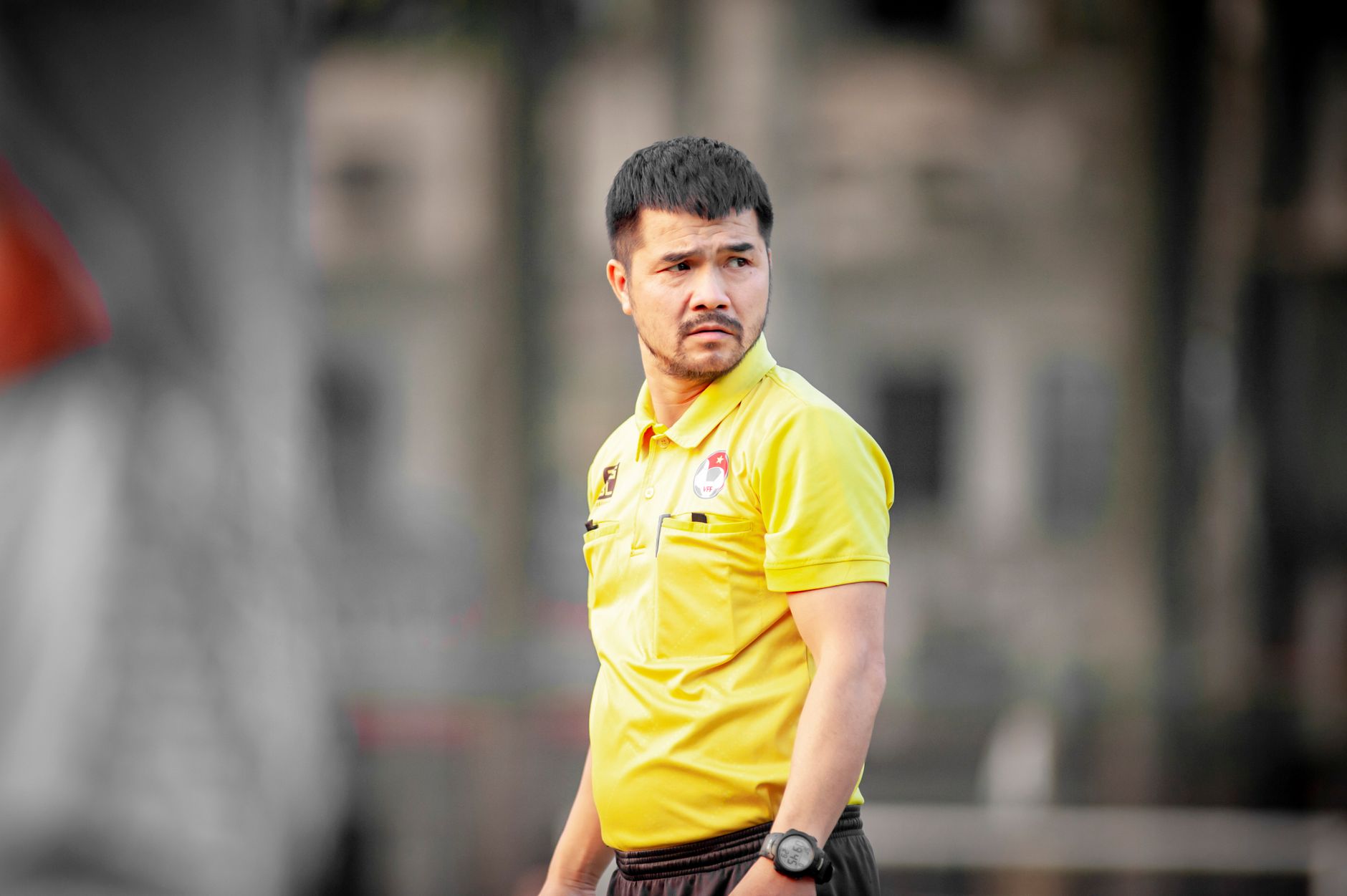
Photo by Anh Lee on Pexels
Common pitfalls to avoid
The most common mistake is confusing fatigue with development. A session that leaves you unable to walk elegantly may have a high physical cost and a low technical return, especially if the final 20 minutes consist of sloppy touches. Another mistake is practising only the dominant foot, only the favourite move, or only the role you already understand. Real matches expose the neglected side at the least convenient moment, usually near the touchline with an opponent closing quickly. The United States Soccer Federation and The FA both emphasize age-appropriate, safe development rather than reckless volume, a sensible position for players whose ambition has outrun their recovery capacity.
Avoid these errors:
- Too much passive cone work: Add a defender, time limit, visual cue, or directional target.
- No baseline: Record 20 attempts before changing the drill.
- Ignoring scanning: Turn the head before the ball arrives, not after control.
- Training through pain: Distinguish effort discomfort from sharp or escalating pain.
- Changing programmes weekly: Keep a core block for at least 14 days.
- Chasing online tricks: Test whether a move creates separation in a live duel.
- Neglecting rest: Schedule at least one complete recovery day each week.
There is also a subtler problem: excessive complexity. Players often stack five instructions onto one exercise because sophisticated language feels like sophisticated coaching. Reduce the task to one primary objective, such as receiving away from pressure, then add one constraint after performance stabilizes. If success falls below 60%, the drill is probably too difficult or poorly designed; if it remains above 90% for several sessions, increase pressure. That 60–90% working window is not a sacred law, but it is a practical range that keeps repetitions challenging without turning them into random failure. Your job is not to look busy. Your job is to increase the probability of executing the right action in a match.
Before adjusting your programme, compare your habits with this [Internal Link: football recovery and injury-prevention checklist].
The 30-day check-in
A 30-day football skills programme should end with evidence, not a vague feeling that your boots have become more intelligent. Retest the same measures from day one: 20 wall passes per foot, 20 first-touch gates, 10 dribbles through random cones, 10 shots after movement, and 10 one-versus-one attempts if a partner is available. Record successful actions, errors, and the reason for each error. If your left-foot passing rises from 11/20 to 16/20, that is a 45.5% relative improvement; if your shooting accuracy rises from 4/10 to 6/10, it has improved by 50%. Percentages are useful only when the test conditions remain stable, so do not manipulate the numbers to flatter yourself.
At the check-in, choose one of three decisions. Keep the programme if performance is improving and fatigue is manageable; progress it if success is above 85% and the drill no longer demands concentration; or simplify it if pain, fatigue, or error rates are increasing. Then test transfer in a small-sided match. Count how often you receive on the half-turn, complete the first pass after winning possession, beat the first defender, or shoot under pressure. The best drill is the one that changes these match numbers, not the one that produces the most sweat or the most attractive social-media clip.
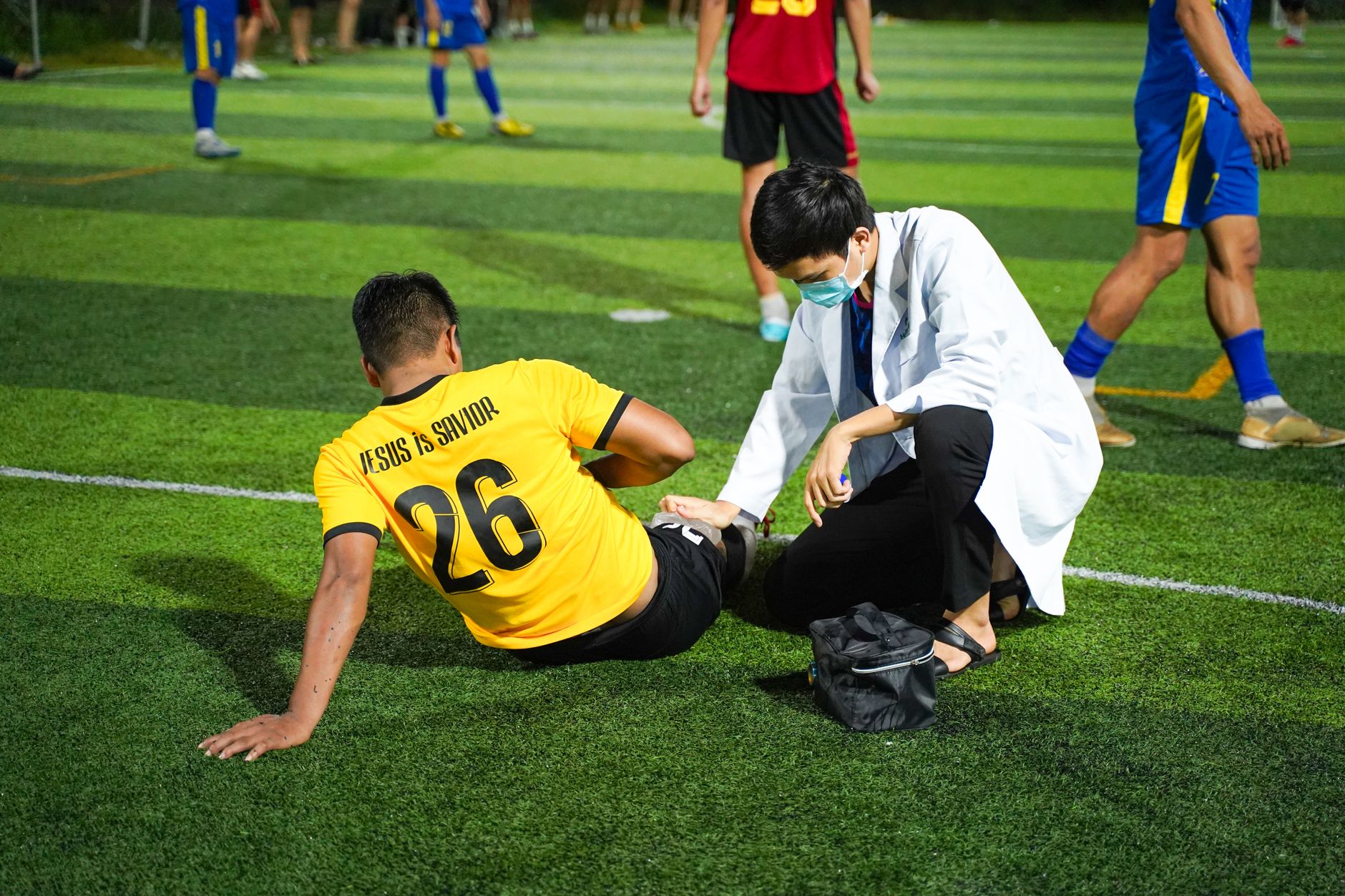
Photo by Quyn Phạm on Pexels
A practical 30-day progression
- Days 1–7: Establish baseline scores and perform controlled wall passing, first-touch gates, and basic dribbling.
- Days 8–14: Add weak-foot repetitions, scanning cues, and directional first touches.
- Days 15–21: Introduce passive defenders, time limits, one-versus-one channels, and finishing after movement.
- Days 22–28: Use small-sided games with two-touch rules, transition conditions, and positional objectives.
- Days 29–30: Retest the original drills, review match footage, and select the next weakness.
The ideal training dose is individual. A beginner may improve with four sessions of 25 minutes, while a competitive player may tolerate five sessions of 45–75 minutes around matches. Do not copy Lionel Messi’s reported training volume as if elite recovery, coaching, and schedule were transferable variables; the expected value of five hours is negative if your body needs three days to recover. Consistency wins because it compounds. Thirty minutes repeated four times weekly produces 120 minutes of deliberate practice, or roughly eight hours over four weeks, enough to create visible change when the work is targeted and measured.
Football Insights covers the 2026 World Cup, team tactics, player statistics, and match predictions, but the same analytical discipline applies to your own development: observe, measure, adjust, repeat. The player who tracks 100 purposeful actions will usually progress faster than the player who performs 1,000 careless ones. Start with your weakest match skill this week, record 20 attempts, and revisit the result after 30 days.
Ready to apply a more disciplined football training process?
Frequently Asked Questions
Q: What does improving football skills actually involve?
Improving football skills means increasing the quality and reliability of technical actions under realistic pressure. It includes first touch, passing, receiving, dribbling, shooting, defending, scanning, and movement without the ball. Beginners should train for 20–30 minutes, four times per week, while tracking successful actions out of a fixed number of attempts. The most valuable improvement is not a prettier trick; it is a higher probability of making the correct action during a match.
Q: How can I improve football skills at home?
You can improve football skills at home with a wall, football, five cones, and a safe space measuring roughly 5–10 metres. Complete 50 passes with each foot, practise first-touch gates, perform sole-rolls, and dribble through a short cone course while looking up every two touches. Keep sessions between 20 and 30 minutes to protect technique quality. If neighbours or space prevent wall passing, use controlled self-passes and receiving exercises, but test the ball at different angles rather than repeating one comfortable movement.
Q: What is the difference between cone drills and small-sided games?
Cone drills develop predictable technical mechanics, while small-sided games develop technique alongside perception, pressure, and decision-making. A cone slalom may improve close control, but a 4v4 game in a 25-by-20-metre area teaches when to dribble, pass, shield, or change direction. Use both: beginners can start with approximately 70% isolated technique and 30% pressure, while experienced players should move closer to a 50:50 balance. Neither format is sufficient by itself.
Q: Why does my football training not seem to work?
Football training often fails because the exercises are too easy, too random, or disconnected from match demands. Common warning signs include repeating the dominant foot only, never measuring success, training while exhausted, and changing the programme every few days. Record 20 comparable attempts, identify the exact error, and add one constraint such as a defender, time limit, or scanning cue. If pain or unusual fatigue is involved, reduce load and seek qualified medical or coaching advice rather than forcing more repetitions.
Q: How much does it cost to improve football skills?
Improving football skills can cost nothing beyond access to a ball and a safe training area, although cones, a tripod, and team sessions add convenience. Five cones may cost approximately 10–20 in local currency, while a basic smartphone tripod can support video review without professional equipment. The highest-value investment is usually structured feedback, whether from a coach, teammate, or carefully reviewed recording. Expensive boots cannot correct poor first-touch habits, late scanning, or an unmeasured training plan.
Q: Should I train every day to become a better football player?
You should not train intensely every day because recovery affects technical quality, sprint ability, and injury risk. Most amateur players can use four focused technical sessions weekly, with at least one complete recovery day and one low-intensity day. Competitive players may train more often, but their workload must account for matches, age, sleep, and injury history. Increase volume gradually, and treat sharp pain, worsening mechanics, or persistent fatigue as evidence that the programme needs adjustment.
Q: How can I improve my weak foot in football?
Improve your weak foot by giving it frequent, measurable repetitions in simple actions before adding pressure and speed. Begin with 50 wall passes, 20 controlled receptions, and 10 finishes using the weaker side, then progress to movement, defenders, and two-touch limits. Keep a separate score for the weak foot so improvement is visible; a rise from 10/20 to 15/20 represents meaningful progress even if the dominant foot remains stronger. Use the weak foot in small-sided games as well, because isolated confidence must transfer into real decisions.
Want continued tactical context, player statistics, and tournament analysis from Football Insights?
End of transmission.
Football Insights • Neon Protocol • System Active