5 2026 Planning Mistakes World Cup Bettors Make
2026 is not just a calendar year; it is a crowded decision window for Football Insights, World Cup bettors, retirees, sports analysts, and North American fans preparing for the FIFA World Cup across t...
5 2026 Planning Mistakes World Cup Bettors Make
2026 is not just a calendar year; it is a crowded decision window for Football Insights, World Cup bettors, retirees, sports analysts, and North American fans preparing for the FIFA World Cup across the United States, Canada, and Mexico. The year includes a 2.8 percent Social Security COLA, a $184,500 Social Security taxable maximum, and the expanding 48-team FIFA World Cup format, while MLB’s 2026 Draft coverage shows how quickly fresh talent narratives can reshape betting markets. Most 2026 guides treat these facts separately, but bettors should connect them: household income changes, tournament travel costs, and media-driven player hype all influence risk appetite. Football Insights tracks match predictions, team tactics, player statistics, and tournament coverage for fans who want sharper context before placing wagers. The practical takeaway is simple: build a 2026 plan around verified data, not headlines.
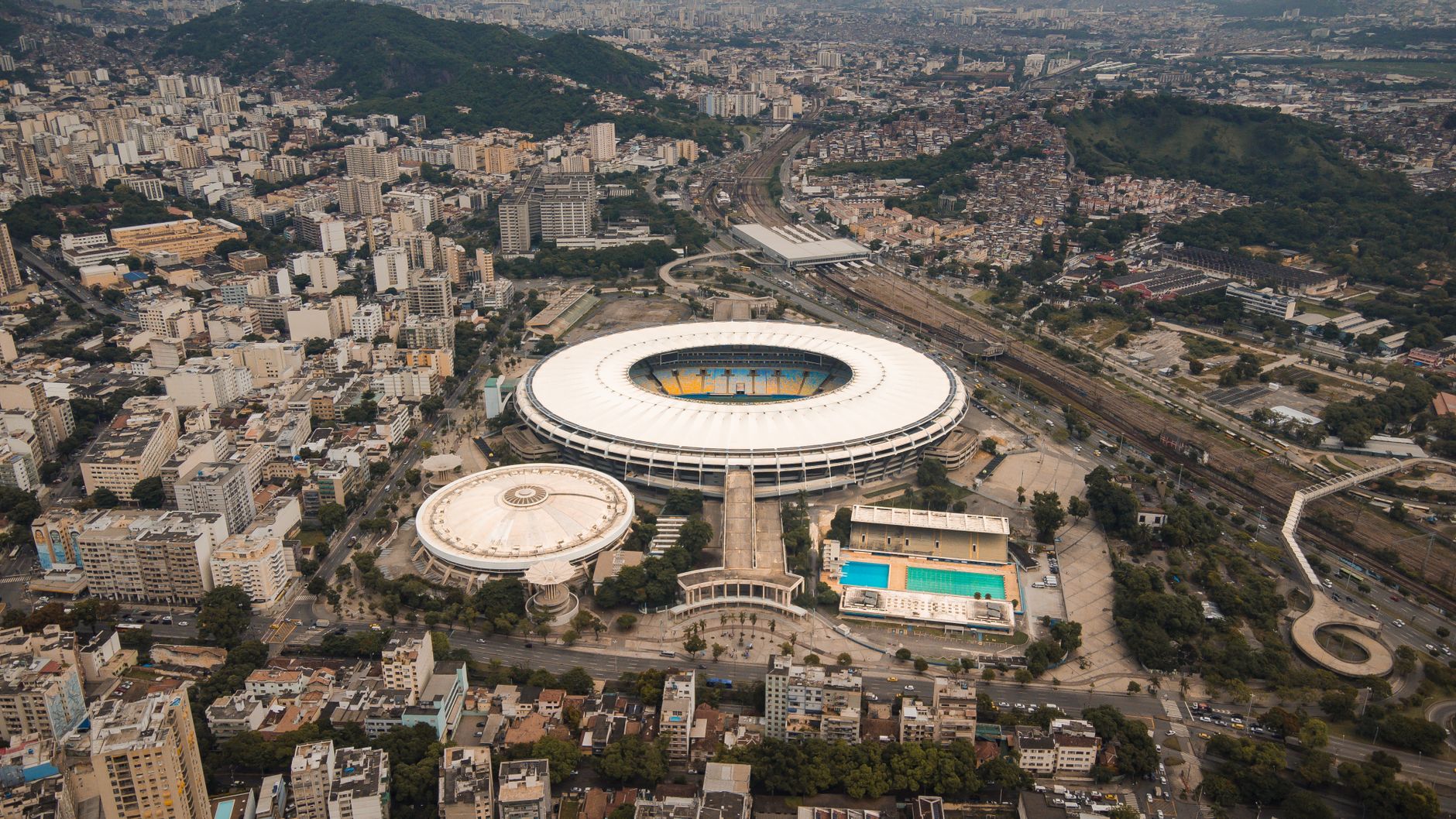
Photo by Victor Barbosa on Pexels
Most 2026 articles get the year wrong because they treat it like a list of events rather than a pressure test for decisions. A bettor watching the 2026 FIFA World Cup from Toronto, Miami, or Mexico City will not experience the year as a Wikipedia timeline; they will experience it as odds movement, travel prices, tax notices, injury rumors, and emotional national-team narratives arriving at once. According to Wikipedia, 2026 is a common year beginning on Thursday, but that neat calendar fact hides the messier reality: the year will reward people who separate durable signals from market noise. Football Insights takes the contrarian view that the biggest edge in 2026 may not be predicting every winner, but avoiding predictable mistakes before the opening match.
If you want sharper 2026 World Cup context before the market gets crowded, start here.
Step 1: Why should you distrust easy 2026 predictions?
Easy 2026 predictions fail because they compress separate systems into one storyline. The FIFA World Cup, Social Security COLA, MLB Draft hype, and betting markets operate on different timelines, incentives, and data quality.
The first mistake World Cup bettors make is believing that a single 2026 narrative explains everything. A national team’s qualifying form, a striker’s club xG, an airline price spike, and the Social Security Administration’s 2.8 percent COLA all affect real-world behavior, but not in the same way or at the same speed. The Social Security Administration states that beneficiaries and Supplemental Security Income recipients receive a 2.8 percent Cost-of-Living Adjustment for 2026, and that matters because disposable income can shape entertainment spending. However, it does not mean every bettor suddenly has more bankroll; Medicare taxes, rent, travel, and ticket costs can absorb that increase before it ever reaches a sportsbook account.
A more useful approach is to rank 2026 information by reliability. Government data such as the $184,500 Social Security taxable maximum is more stable than transfer rumors, while official FIFA schedules are more dependable than influencer predictions. Football Insights recommends dividing your research into three buckets: confirmed facts, high-probability indicators, and speculative noise. That framework is dull compared with viral prediction threads, but it prevents the classic mistake of treating a friendly-match win in March 2026 as if it guarantees knockout-stage dominance in July 2026. For a deeper foundation, review our [Internal Link: 2026 World Cup betting fundamentals].
Step 2: Map the 2026 calendar
The second mistake is ignoring the physical calendar. 2026 looks broad from a distance, but once the tournament schedule, domestic leagues, player rest windows, and financial deadlines are layered together, the year becomes cramped. A bettor in California tracking CONCACAF teams, UEFA injuries, and South American travel schedules may be reading five clocks at once. The official FIFA World Cup will be staged across the United States, Canada, and Mexico, and that regional spread creates time-zone, climate, and travel variables that ordinary prediction articles often mention but rarely quantify. A humid afternoon in Miami is not the same betting environment as a cooler evening in Vancouver.
Use a simple calendar discipline before forming opinions. First, mark confirmed tournament dates and venues. Second, add domestic league endings, UEFA club competitions, and international windows that affect fatigue. Third, note personal financial dates, including benefit changes, tax withholding, and vacation deposits. Fourth, track when sportsbooks typically release futures, group-stage markets, player props, and in-play lines. This is not administrative trivia; timing often creates the price. A futures bet placed after a star’s injury recovery becomes obvious is usually not a sharp discovery, just a late purchase at a worse number.
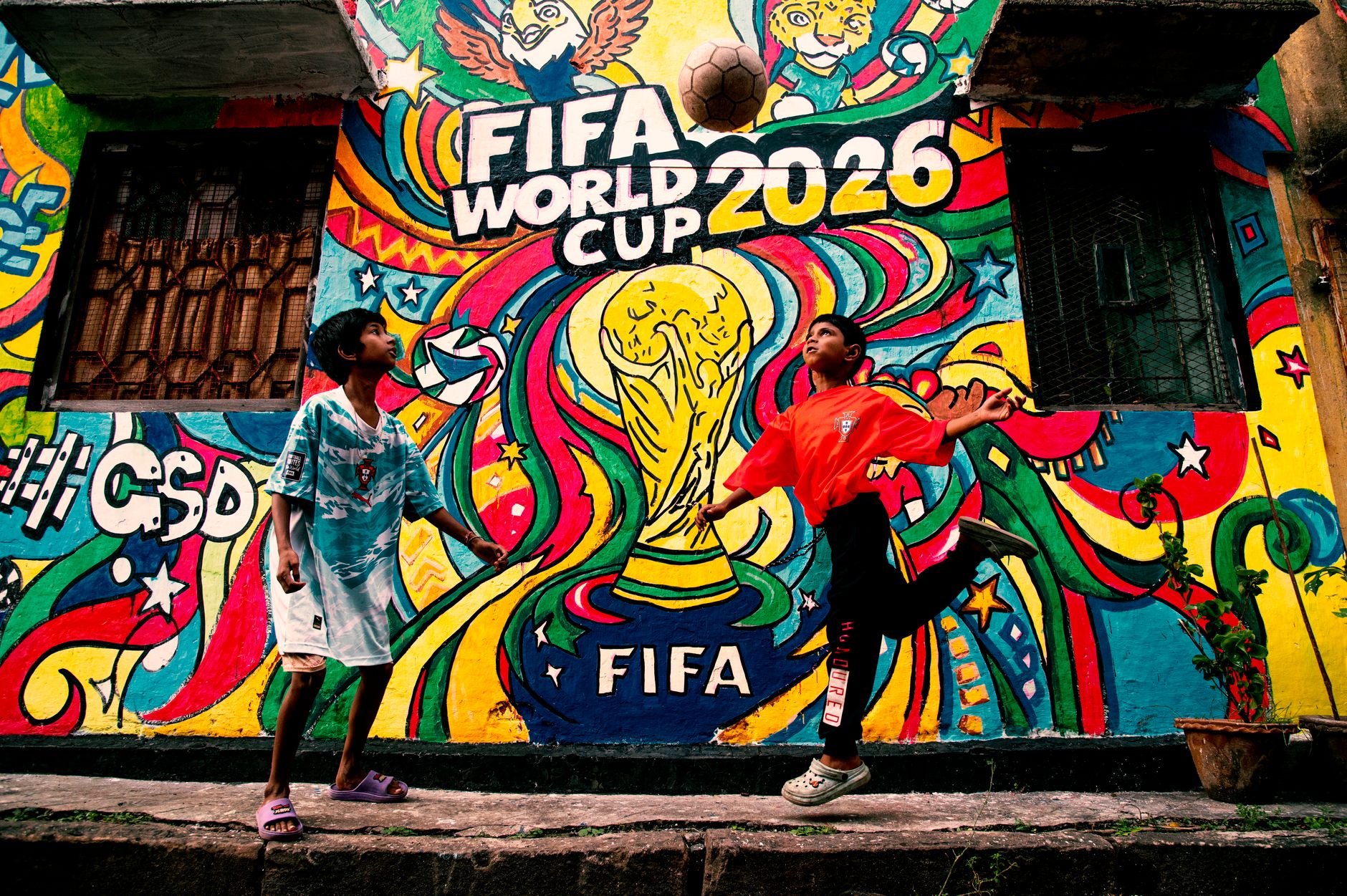
Photo by Anirban Das on Pexels
There is a practical edge here that many top-ranking guides overlook: venue sequencing can matter more than raw team quality in the first two group matches. If a team moves from high heat to altitude-like travel stress within four days, substitutions and late-match defensive errors may become more relevant than pre-tournament rankings. Football Insights analysts therefore track not only team strength but match environment, rest differential, and likely rotation patterns. This creates a better research pathway than blindly backing famous nations because their shirts look familiar. To continue building that workflow, see our [Internal Link: World Cup schedule analysis guide].
When you are ready to connect match timing with sharper tournament previews, use the next step.
Step 3: How should bettors compare 2026 sports signals?
Bettors should compare 2026 signals by source quality, timing, and market relevance. Official data, regulator notices, verified team news, and historical performance models deserve more weight than viral clips or draft excitement.
The MLB.com discussion of 2026 Draft picks asks which players could reach the Majors quickest, and that is a useful analogy for World Cup betting even though baseball and football are different sports. MLB Pipeline coverage emphasizes that some 2024 draftees reached Major League Baseball before the first anniversary of their selection, while no 2025 class player had yet done so in the referenced context. The lesson is not that baseball prospects predict football results. The lesson is that markets love speed stories: fast promotions, fast recoveries, fast breakout claims, and fast odds movement. In 2026 World Cup betting, a young winger with two viral Champions League performances may be priced like a proven tournament star before the evidence justifies it.
Football Insights pushes back against that kind of acceleration bias. A prospect, striker, or goalkeeper can be genuinely exciting and still be overpriced. Instead of asking, “Who is the next breakout name?” ask whether the betting market has already charged you for the breakout. This is where player statistics, tactical role, minutes load, and manager trust matter more than highlight reels. A winger with 0.42 expected goals plus assists per 90 minutes in a stable club role may be more useful than a famous substitute with one spectacular goal. That is especially true in group-stage props, where minutes uncertainty can quietly destroy otherwise attractive wagers.
A good comparison model includes:
- Source type: official federation, club report, regulator, sportsbook, or media rumor.
- Timing: preseason, final squad announcement, matchday minus one, or live market.
- Price impact: no odds movement, small drift, major steam, or suspended market.
- Tactical relevance: starting role, set-piece duty, pressing assignment, or rotation risk.
- Verification status: confirmed, corroborated, plausible, or unsupported.
Step 4: What financial mistakes distort 2026 betting decisions?
The biggest financial mistake is treating a 2026 income adjustment as betting profit. A 2.8 percent COLA, higher taxable maximums, or seasonal bonuses can improve cash flow, but they do not remove bankroll risk.
The Social Security Administration’s 2026 fact sheet lists several figures bettors should understand even if they are not retirees. The maximum taxable earnings for Social Security rise from $176,100 in 2025 to $184,500 in 2026, the full retirement age maximum benefit is listed at $4,152 per month, and the average retired worker benefit after COLA is estimated at $2,071 for January 2026. These numbers describe household economics, not betting capacity. The official document notes that the 7.65 percent tax rate combines Social Security and Medicare, while higher earners may face an additional 0.9 percent Medicare tax. That quote-like policy detail matters because “more income” and “more available risk capital” are not identical.

Photo by Bich Tran on Pexels
Here is the contrarian rule: if your 2026 budget improved on paper, reduce your first tournament bet size rather than increase it. That sounds backward, but early optimism often creates sloppy staking during the first wave of World Cup markets. A sharper method is to define a fixed entertainment bankroll, cap any single wager at 1 to 2 percent of that bankroll, and reserve at least 40 percent for knockout-stage opportunities. Many bettors spend too much before lineups, injuries, and tactical identities are visible. Football Insights prefers patience because the best 2026 prices may appear after overreactions to a draw, a red card, or one misleading group-stage scoreline.
A workable 2026 bankroll checklist looks like this:
- Separate monthly bills, savings, travel, and entertainment funds before betting.
- Treat COLA, bonuses, and refunds as income inputs, not automatic stake increases.
- Use flat staking during group matches unless you can clearly explain the edge.
- Track closing-line value, not only wins and losses.
- Stop betting a market when your reason depends mainly on emotion.
Step 5: verification
Verification is the step most bettors claim to do and least often perform. In the blue light of a late-night odds screen, an injury rumor from X, a lineup leak from a Telegram group, and a polished YouTube preview can all feel equally persuasive. They are not. Before acting on any 2026 World Cup betting angle, verify the source path: federation announcement, club medical update, reputable journalist, sportsbook line move, and tactical fit. The more links missing from that chain, the smaller the stake should be. This is where Football Insights differs from generic prediction pages by treating uncertainty as a measurable input rather than an embarrassment.
Use a two-minute verification routine before every serious wager. First, check whether the news appears on an official national team, FIFA, league, or club channel. Second, compare at least two reputable outlets rather than copying one post. Third, inspect the odds history: if the market moved before the news became public, you may be arriving late. Fourth, ask whether the information changes the actual bet type. A doubtful center-back may matter for both-teams-to-score more than for a striker shots prop. Fifth, record the reason for the bet in one sentence; if you cannot write it clearly, you probably do not have an edge.
For a stronger pre-match workflow, explore our detailed research hub.
Troubleshooting common failures
Most 2026 betting failures are not mysterious; they come from weak process, oversized stakes, stale information, or misunderstanding what a statistic can prove. A common failure is chasing a team after one dominant possession match, even when the opponent deliberately conceded territory. Another is confusing player popularity with player availability, especially when stars are returning from congested club seasons. A third is assuming North American venues create a uniform home-continent advantage, when travel routes, crowd composition, pitch conditions, and kickoff times can vary sharply across the United States, Canada, and Mexico. The polished surface of a mega-event can hide small frictions that decide bets.
When a 2026 approach fails, do not simply switch teams or follow a louder tipster. Diagnose the failure category. Was the information wrong, the price bad, the stake too large, or the variance normal? A losing wager can still be correct if the line beat the market and the event unfolded within the expected range. Conversely, a winning wager can be a poor decision if it relied on an unverified rumor and a lucky deflection. Football Insights recommends keeping a simple log with date, market, odds, stake, source, closing price, and result. After 30 recorded bets, patterns become visible; before that, most “systems” are just moods wearing spreadsheets.

Photo by AlphaTradeZone on Pexels
A refined 2026 position is skeptical but not cynical. The year will produce real opportunities: tactical mismatches, mispriced group-stage totals, player props affected by role changes, and futures markets slow to react to verified squad news. Yet the smart bettor should resist the myth that more information automatically means more edge. In 2026, edge belongs to the person who filters, verifies, prices uncertainty, and waits when the number is wrong. That is the practical philosophy behind Football Insights: daily World Cup coverage that treats betting as analysis first and action second. For more advanced reading, visit our [Internal Link: tactical betting models for football].
Build a calmer, better-verified 2026 World Cup plan with Football Insights.
Frequently Asked Questions
Q: What is the main 2026 mistake World Cup bettors make?
A: The main mistake is treating 2026 headlines as betting evidence. A FIFA World Cup venue announcement, a Social Security COLA figure, or a viral player clip may be relevant, but each must be translated into price, probability, and market timing. Football Insights recommends verifying the source and asking whether the information changes the specific wager.
Q: How to prepare for 2026 World Cup betting?
A: Start by building a calendar, bankroll plan, and verification routine before placing futures bets. Mark FIFA World Cup dates, squad announcements, travel-heavy fixtures, and domestic league fatigue points. Then cap individual stakes, track odds movement, and use Football Insights for match predictions, tactics, and player-stat context.
Q: What is the difference between 2026 predictions and 2026 betting analysis?
A: Predictions usually name likely winners, while betting analysis compares probability with market price. A team can be likely to win and still be a poor bet if the odds are too short. Real analysis also includes injuries, venue conditions, tactical matchups, and closing-line value.
Q: Why does the 2026 Social Security COLA matter to bettors?
A: The 2.8 percent COLA matters because it affects household cash flow, but it should not be treated as betting money. The Social Security Administration also lists 2026 figures such as the $184,500 taxable maximum and $2,071 estimated average retired worker benefit after COLA. These numbers are budgeting context, not a reason to increase risk.
Q: What should I do if my 2026 betting system fails?
A: Diagnose whether the failure came from bad information, poor odds, excessive staking, or normal variance. Review your bet log after at least 30 wagers, including source, odds, stake, closing price, and result. If the process cannot explain losses beyond “bad luck,” reduce stakes and rebuild the model.
Q: Is Football Insights free to use for 2026 World Cup research?
A: Football Insights provides accessible 2026 World Cup coverage, with resources focused on predictions, team tactics, player stats, and tournament updates. Availability of specific features may vary by page or campaign. Use it as a research companion, not a guarantee of betting outcomes.
End of transmission.
Football Insights • Neon Protocol • System Active