10 Football Dribbling Mistakes Beginners Make
A footballer may complete 1,000 touches in training and still lose the ball in three seconds on match day. That is not bad luck; it is usually a poor training design problem. Improving football dribbl...

10 Football Dribbling Mistakes Beginners Make
A footballer may complete 1,000 touches in training and still lose the ball in three seconds on match day. That is not bad luck; it is usually a poor training design problem. Improving football dribbling skills requires more than weaving through cones at maximum speed. You must develop close control, scanning, body feints, acceleration, deceleration, and the judgment to know when a dribble has positive expected value. Football Insights studies the tactical details behind modern players such as Lionel Messi, Vinícius Júnior, and Bukayo Saka. The practical rule is simple: train the technique, then train the decision.
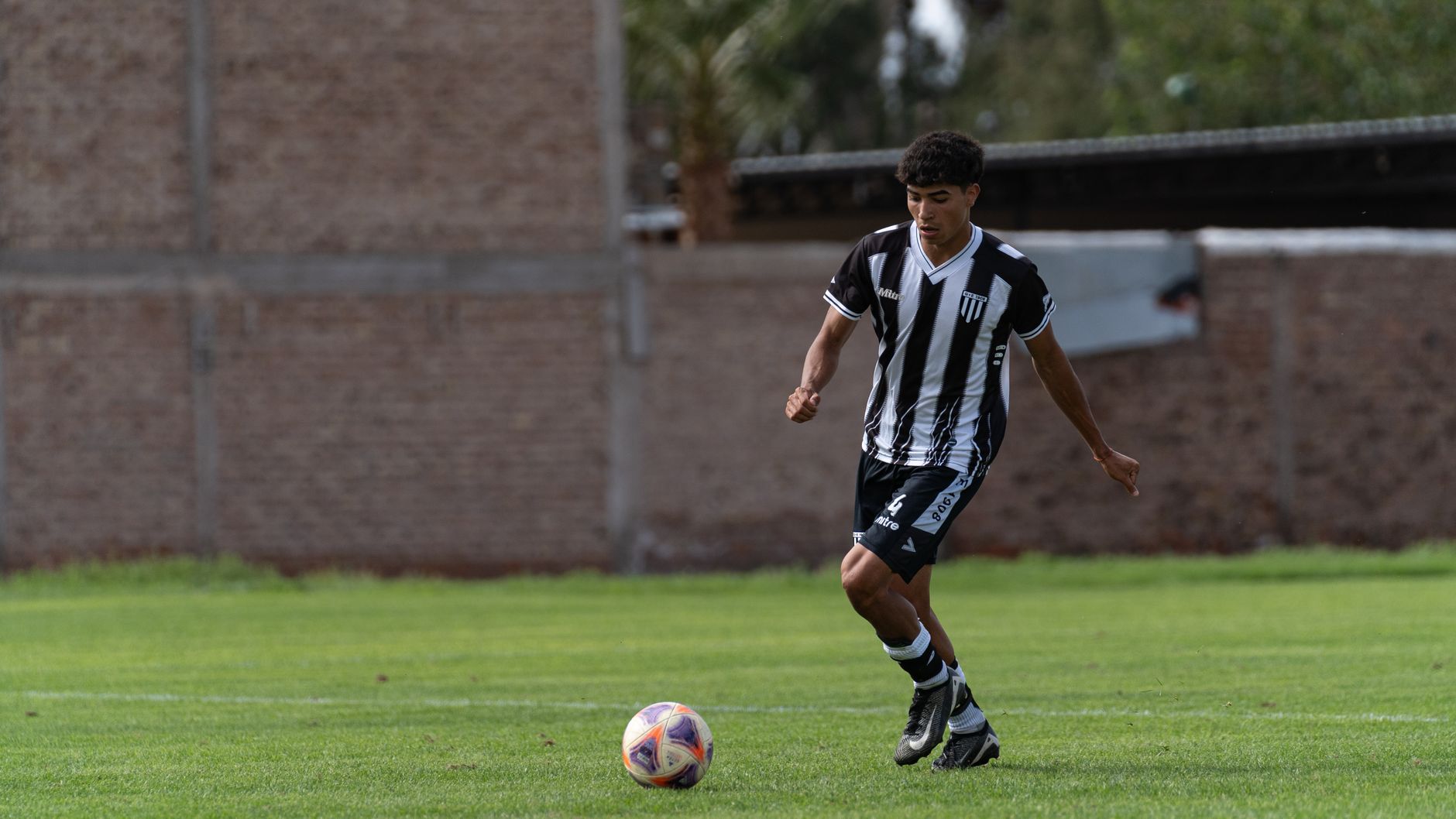
Photo by Franco Monsalvo on Pexels
Is improving football dribbling skills really about doing more cone drills?
Improving football dribbling skills is primarily about controlling the ball while perceiving pressure, space, teammates, and defenders. Cone drills help develop touch precision, but they do not automatically teach match decisions. A complete programme should combine close-control exercises, changes of direction, sprinting, scanning, and live 1v1 situations. Train for 20–30 minutes, three or four times weekly, and measure successful actions rather than repetitions alone.
I'll be honest with you: cones are useful, but they are also wonderfully obedient opponents. They never tackle, delay, show you toward the touchline, or tempt you into an unnecessary trick. FIFA’s Laws of the Game define legal play, but they do not promise that a technically clean dribble is tactically intelligent. That distinction matters.
The first mistake is confusing movement with improvement. A player who completes a slalom in 12 seconds may have improved speed through a fixed pattern, yet still fail to beat a defender because the drill contains no visual cue, no uncertainty, and no consequence for taking a heavy touch. Therefore, use cones as the first layer, not the entire curriculum.
A more reliable weekly structure looks like this:
- Monday: 10 minutes of ball mastery, followed by 15 minutes of directional cone work.
- Wednesday: 10 minutes of receiving and scanning, followed by 20 minutes of 1v1 practice.
- Friday: 10 minutes of weak-foot touches, followed by acceleration and deceleration drills.
- Match day: Record whether each dribble created space, progressed the ball, or merely entertained spectators.
The final measure is not how elegant the feet appear. It is whether the action improves your team’s position.
Want a broader tactical perspective before you train? Football Insights connects individual technique with World Cup-level match analysis.
How does football dribbling handle a defender closing from the front?
A forward-facing defender is beaten most consistently through a controlled approach, a convincing body movement, and a rapid exit into space. Approach at approximately 60–70% speed, slow slightly to make the defender react, shift your centre of gravity, then accelerate beyond the defender’s weaker side. The decisive touch should travel into space, not directly beneath your body.
Many beginners make their second mistake here: they perform the trick too far away. A stepover from three metres does not force a meaningful defensive reaction; it simply announces your artistic ambitions. The useful distance is often one to two metres, where the defender must choose between standing ground and matching your first movement. The exact distance changes with speed, pitch condition, and the defender’s body position, but the principle remains stable.
Use the following sequence for a basic outside-inside change:
- Carry the ball toward the defender with short touches.
- Look toward the side you want the defender to protect.
- Drop one shoulder and bend the knee on that side.
- Touch the ball across the defender’s front with the opposite foot.
- Accelerate for three to five metres before looking for the next action.
The third mistake is failing to accelerate after the deception. A successful feint without an exit is merely a polite conversation with the defender. Research from The Football Association consistently places decision-making and technique within the context of game actions, not isolated choreography. In practical terms, spend at least one-third of your dribbling session attacking a real opponent or a moving gate.
The 3-second decision rule
When receiving between lines, give yourself roughly three seconds to decide whether to carry, pass, protect, or turn. This is not a law of football; it is a training constraint. It prevents the common habit of dribbling simply because the ball is at your feet. Track three variables: defender distance, available exit lane, and teammate support. If two of those three variables are unfavourable, passing may produce a higher expected value than dribbling.
To understand how elite players create these moments, explore our [Internal Link: World Cup player dribbling analysis].
What about weak-foot dribbling and tight spaces?
Weak-foot dribbling improves when the weaker foot receives frequent, low-pressure repetitions before being exposed to realistic pressure. Begin with 50–100 controlled touches using the weaker foot, then progress to 5–8 metre directional carries and finally 1v1 exercises. The objective is not perfect symmetry; it is reducing hesitation enough to keep the defender uncertain.
The fourth mistake is training the dominant foot as though the other foot were decorative furniture. Lionel Messi’s left-footed control is famous, but his balance, right-foot adjustments, scanning, and change of pace make that left foot effective. Likewise, Bukayo Saka’s ability to protect the ball on the right side depends on body positioning as much as left-foot technique.
A practical tight-space circuit requires four zones:
- Zone A, one square metre: toe taps, sole rolls, inside touches, and outside touches.
- Zone B, two metres: receive across the body, turn, and exit using the weaker foot.
- Zone C, four metres: dribble toward a passive defender and change direction.
- Zone D, eight metres: beat a live defender, then sprint through a finishing gate.
Complete two rounds with the right foot and two with the left. Rest for 60–90 seconds between rounds, because exhausted technique often teaches the wrong movement pattern. Record how many times the ball travels beyond one metre from your body. If that number rises above five per round, reduce speed before adding more tricks.
A useful contrarian point: practising only the weak foot can lower match quality temporarily. A better ratio for most developing players is approximately 70% weaker-foot work and 30% dominant-foot work inside a dedicated session. The dominant foot remains necessary for realistic combinations, while the weaker foot receives the corrective emphasis it lacks.

Photo by Omar Tube on Pexels
What about dribbling under pressure, fatigue, or wet conditions?
Dribbling under pressure requires players to control perception and touch quality after fatigue, contact, and changing surface conditions. Add decision cues, a recovering defender, and short accelerations to technical drills. On wet grass, use slightly softer touches and lower body balance; on artificial turf, prepare for a quicker ball response and shorter braking distance.
Here lies the fifth mistake: practising every skill in perfect weather with a perfectly inflated ball. That environment is tidy, but football is not. A wet 2026 World Cup training pitch, a crowded touchline, or a fast artificial surface changes the relationship between foot, ball, and space. The FIFA Training Centre repeatedly frames technical development through game-realistic constraints, which is a more useful model than collecting glamorous exercises.
Try this pressure progression:
- Unopposed: dribble through four gates using random left-right calls.
- Semi-opposed: a defender jogs behind and attempts to touch the player’s shoulder.
- Live 1v1: the attacker has six seconds to cross an end line.
- Fatigue round: perform a 15-metre shuttle before receiving the ball.
- Transfer round: finish with a pass, cross, or shot after beating the defender.
The specific insight many training articles omit is that fatigue changes touch timing before it changes top speed. After repeated 15-metre shuttles, players often take their first touch 20–40 centimetres farther than normal. That is enough for a defender to intervene. Consequently, the corrective cue should be “shorter first touch,” not merely “run faster.”
Should you use tricks such as stepovers and elastico movements?
Use advanced tricks only when they create a clear defensive reaction or open a defined exit lane. A stepover, scissors, drag-back, or elastico has value when it changes the defender’s balance; it has little value when performed without a target. For every successful trick, practise the exit sprint and the next pass, because match actions rarely end with the trick itself.
Get started with realistic pressure training through Football Insights’ tactical resources.
Where does football dribbling training fail?
Football dribbling training fails when it measures spectacle instead of usefulness, ignores scanning, overloads players with tricks, or gives no clear progression from isolated technique to competitive play. It also fails when players practise at maximum speed before they can stop, protect the ball, and choose the correct direction. The remedy is a measurable progression based on control, perception, pressure, and transfer.
The sixth mistake is looking at the ball constantly. Elite dribblers do not stare at their feet; they glance down to confirm the touch and then scan for pressure. Start with a simple constraint: look up at least once every two touches during open-space carries, then once every touch when approaching a defender. You will initially lose control. That is not failure; it is the nervous system being charged a tuition fee.
The seventh mistake is keeping the body upright. A lower centre of gravity allows sharper turns and improves the ability to absorb contact. Bend the knees, keep the torso slightly forward, and position the arm legally between the defender and the ball. The International Olympic Committee recognises football as a sport where speed, coordination, and tactical awareness interact; none of those qualities improves when your posture resembles someone waiting for a bus.
The eighth mistake is repeating the same side. Wingers commonly favour the line, while central players often turn toward their preferred foot. Build uncertainty by training three exits: outside, inside, and backwards into protection. Use a coach, partner, or numbered gate to call the exit late. Randomness matters because pre-planned movement inflates confidence without necessarily improving adaptability.
What should you measure?
Measure actions that describe match performance rather than vanity statistics:
- Successful 1v1 attempts out of 10.
- Ball losses during the first touch.
- Times the player scans before receiving.
- Metres gained after beating a defender.
- Successful pass, cross, or shot after the dribble.
- Recovery time before repeating a high-quality action.
A player who completes six successful 1v1s but loses the ball immediately after each one has not finished the job. The better target is progression plus retention. This is where expected value becomes useful: if a dribble creates a 25% chance of entering the penalty area but carries a 40% turnover risk, the decision may be poor unless the tactical reward is unusually high.
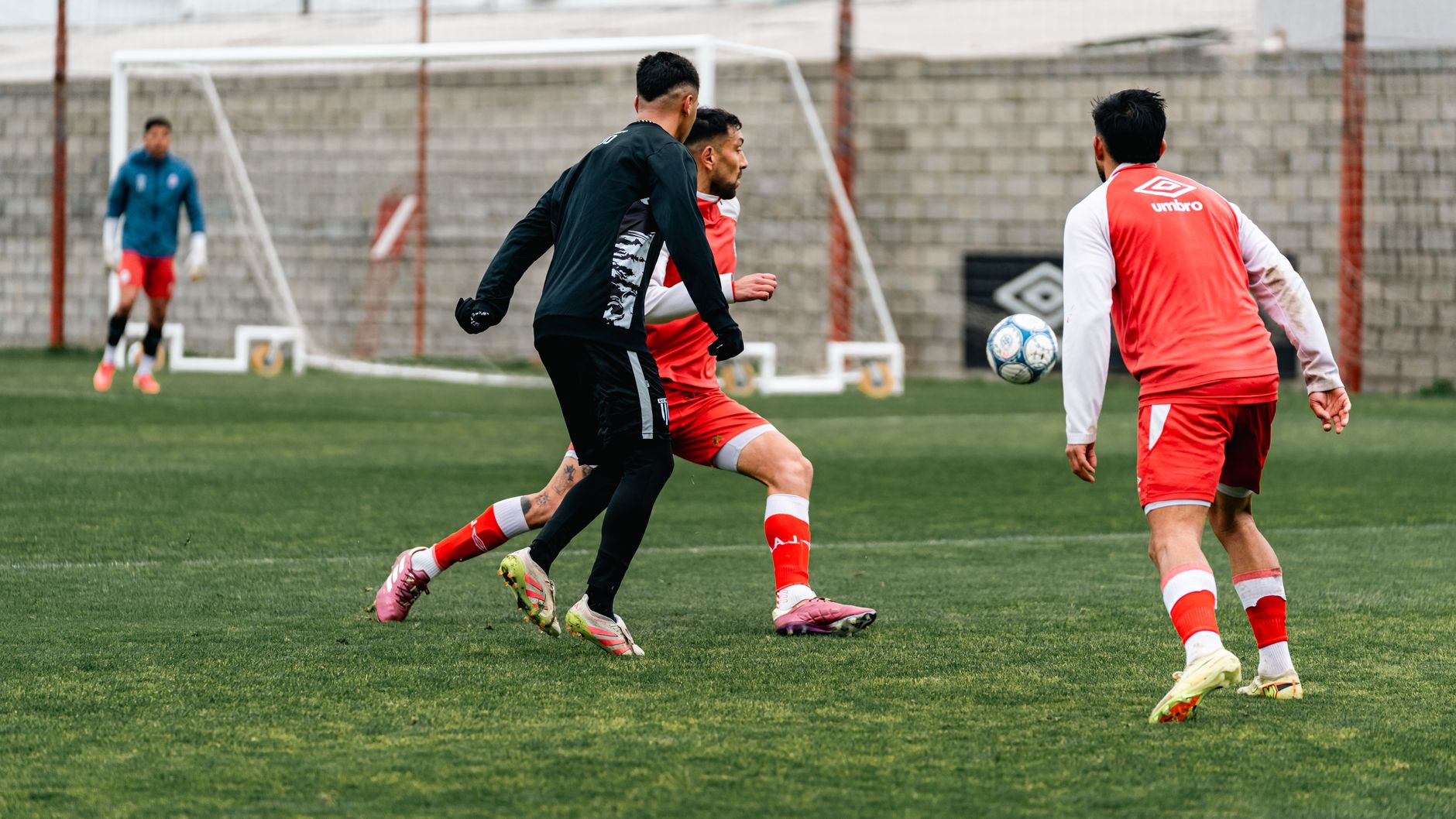
Photo by Franco Monsalvo on Pexels
Should you try a structured dribbling programme today?
You should start a structured football dribbling programme today if you can train three times weekly, record measurable outcomes, and accept that decision-making matters as much as foot speed. Begin with 20 minutes per session for four weeks, progressing from ball mastery to directional movement, live 1v1s, and fatigue-based decisions. Review results weekly rather than chasing instant confidence.
A sensible four-week plan is deliberately unglamorous:
- Week 1: close control, sole rolls, inside-outside touches, and weak-foot carries.
- Week 2: cone changes of direction, body feints, and three-metre exit sprints.
- Week 3: semi-opposed drills with late visual or verbal cues.
- Week 4: live 1v1s followed by a pass, cross, or shot.
Use 3–4 sets of 60–90 seconds, with equal rest when technique deteriorates. On each training day, choose one technical target and one decision target. For example, “keep the ball within 50 centimetres” is technical, while “scan before entering the defender’s zone” is perceptual. Mixing seven targets in one session is not ambitious; it is inefficient.
The ninth mistake is abandoning the programme after one poor session. A 4-week block gives you enough repetitions to distinguish random variance from genuine improvement. The tenth is copying Lionel Messi, Neymar, or Vinícius Júnior without copying the underlying principles: disguise, timing, balance, acceleration, and awareness. Style is personal; mechanics are transferable.
For further progression, review our
Frequently Asked Questions
Q: What does improving football dribbling skills mean?
Improving football dribbling skills means becoming more effective at carrying the ball while maintaining control, reading pressure, and selecting useful actions. It includes close touches, body feints, changes of direction, acceleration, deceleration, shielding, and scanning. A player should measure successful progression and retention, not just the number of tricks completed. The strongest evidence of improvement is better performance in 1v1 situations and fewer unnecessary turnovers.
Q: How can I improve football dribbling skills at home?
You can improve football dribbling skills at home with 15–20 minutes of ball mastery, directional touches, and scanning exercises three or four times per week. Use a small safe area and practise inside touches, outside touches, sole rolls, pull-push movements, and weak-foot control. Add random commands from a phone timer or training partner so the movement is not entirely pre-planned. Finish with short accelerations only when the surface is safe.
Q: What is the difference between close control and match dribbling?
Close control is the ability to manipulate the ball accurately near your feet, while match dribbling combines control with space, pressure, speed, and decision-making. Cone drills mostly develop the first quality; 1v1 exercises and small-sided games develop the second. Both are necessary, but neither replaces the other. A practical programme should move from isolated touches to live opposition within the same training week.
Q: Why does my football dribbling fail against real defenders?
Your football dribbling may fail against real defenders because you approach too quickly, perform feints too far away, stare at the ball, or fail to accelerate after the first deception. It may also fail because your training contains fixed patterns rather than unpredictable cues. Practise at 60–70% approach speed, add a late defender movement, and focus on one clean exit rather than several tricks. Review whether the first touch creates space.
Q: How much time does it take to improve football dribbling?
Most players can notice better touch confidence after two to four weeks of consistent training, while reliable match transfer usually takes eight to twelve weeks. Train for 20–30 minutes, three or four times weekly, and include at least one live 1v1 block. Progress depends on age, current skill, coaching quality, and practice consistency. Record successful actions each week so your judgment is based on evidence rather than mood.
Q: Is practising with the weaker foot worth it?
Practising with the weaker foot is worth it because it reduces hesitation and prevents defenders from predicting your exit. A useful starting ratio is 70% weaker-foot work and 30% dominant-foot work during a dedicated technical session. Begin with stationary and slow directional touches, then add pressure and speed. Do not demand perfect symmetry; demand that the weaker foot can receive, protect, change direction, and pass safely.
Q: Are advanced football tricks necessary to beat defenders?
Advanced football tricks are not necessary to beat defenders; timing, body position, acceleration, and a convincing change of direction usually matter more. A simple shoulder drop followed by an explosive exit often has greater expected value than an elastico performed without space. Select one or two reliable feints and practise what follows: sprint, cross, pass, or shot. The trick is only the mechanism; the useful action is the outcome.
The conclusion is plain, although apprentices do enjoy making it complicated: train your touch, scan before pressure arrives, manipulate the defender, and accelerate into the next action. Follow the four-week structure, measure successful outcomes, and use live opposition before declaring yourself improved. The best dribblers are not those who perform the most movements; they are those who make the correct movement at the correct moment.
Want to connect individual dribbling skill with World Cup tactics and player performance? Continue with Football Insights.
End of transmission.
Football Insights • Neon Protocol • System Active